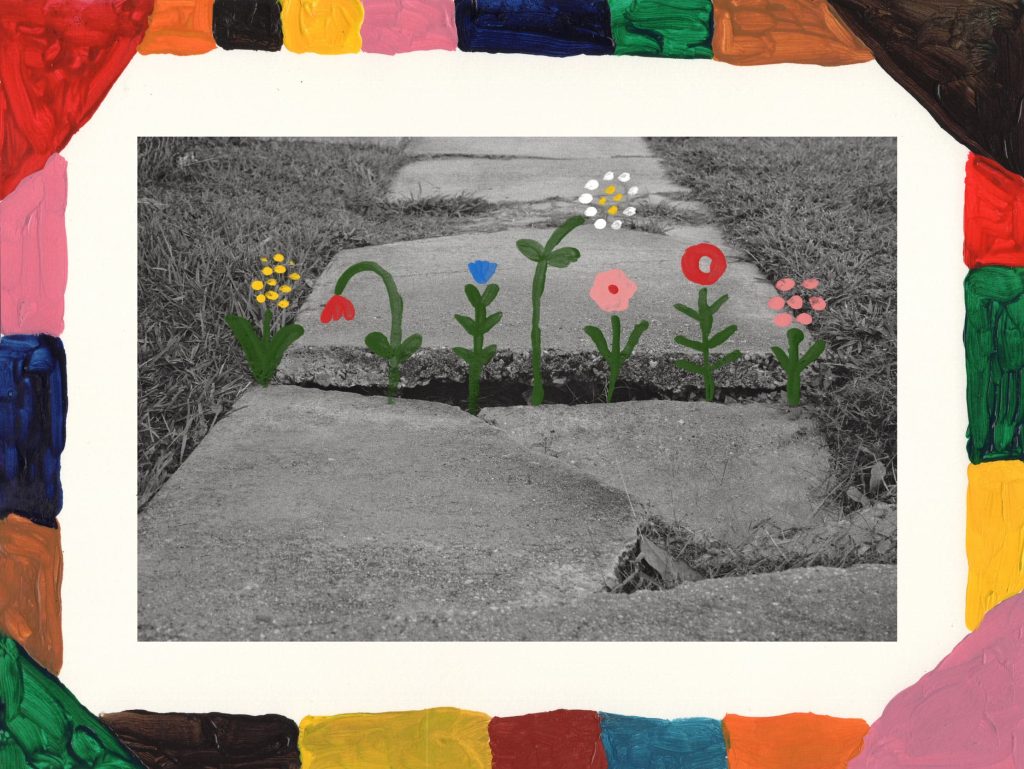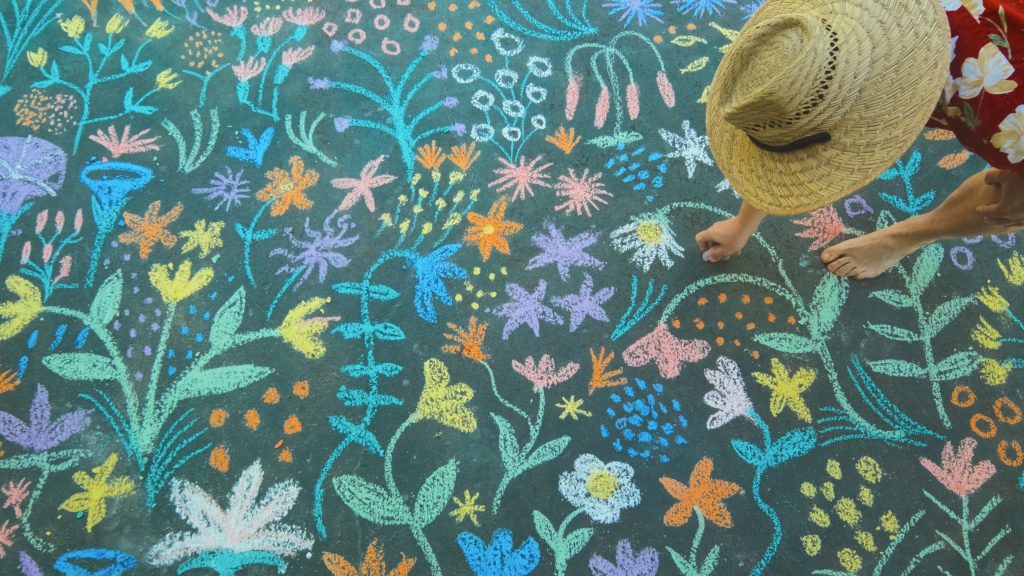
Erik Winkowski is a multimedia artist who transforms the ordinary into the extraordinary. Treating video like a collage, he cuts, draws over, and remixes everyday scenes with a pioneering style that brings the spontaneity of painting to the digital realm. His unique approach to finding the magical in the mundane has earned him collaborations with major brands like Prada and Gucci, as well as editorial powerhouses like The New York Times. In this conversation, we discuss his philosophy of art as a form of alchemy, his pivot to a new platform, and how his work aims to make us feel “unnumb” to the world around us.
TWS –Is there something that you would like that our readers know about you first?
EW –Something that most people probably don’t know about me is I feel like I’m truly a product of my parents. My dad is a photographer, children’s book illustrator. And when I was a kid, my mom was editing biology textbooks and botany textbooks. So, I had this kind of scientific love of nature and the mystery of life on one hand, and whimsy and fantasy and imagination on the other side. And I feel like that has kind of informed my direction as an artist.
TWS –Can you remember the first artwork or any visual piece that somehow captivated you as a kid?
EW –We grew up with a little terrace on the apartment, a little outdoor area. We had a bird feeder out there, and so there were birds that would come and visit our little terrace in the city quite often. I remember drawing birds as a kid. I had dozens of pictures of drawings of these birds, and so that was one thing that really captivated me, trying to capture these birds in my kind of rudimentary drawing.
But then another one that I really remember was I built, it was a giant drawing of a house. It was probably 24 by 36, a very large piece of paper. And the house was made up of all of these shapes and triangles and squares, and every little cell, every little element had a different color and pattern. And so it’s just this kind of a patchwork tapestry of color and pattern and little worlds to kind of get lost in. I remember working on that for a very long time and then it got framed and put in my room, so that’s something that I kind of lived with for a decade after I did it.
There’s a very special place in my heart for children’s artwork. I think it’s kind of the most beautiful of all artwork. I was actually just thinking of this yesterday. I know it’s like a common complaint in modern art to say, “Oh, you know, my four-year-old could do that painting”. And my feeling is, I would buy that painting from your four-year-old. I think four-year-olds have such a great insight, such a level of freedom and spontaneity that I find so thrilling in art.
But I do think there is a quality to children’s artwork that for me is just about as exciting as you know the most prolific or famous artist. Kids tap into something much more elemental and much more idiosyncratic. They haven’t learned the conventions yet, they haven’t learned the rules of art, and therefore coming up with some of the most wild, wonderful ideas.
TWS – I guess there’s no harsh judgment.
EW –Totally. I actually have a little story about my nephew when he was about five or six years old. He came over and he was stacking books and coasters and little objects making a tower. And I said, “Oh, you made a sculpture,” and he said, “No, it’s a sandwich”. And then he knocked the whole thing over. And I just for me it summed it all up, which is that like lighten up, don’t take things so seriously. You can destroy it in a moment, it could be anything too. Instead of thinking, oh, this is like a masterpiece, this is real art with a capital A, you know? It’s like no, it’s just, it could be anything. So, it’s a good reminder.
I do think capital A art can start to freeze you up as an artist. I do think that when you worry about, oh my god, what does this mean? What does this say about me? What does this say about the state of the world? that that for me at least leads to the most uninteresting artwork. It’s like I’m letting the accountant decide what the artwork should be when instead the child side of my brain often surprises me and comes up with much better, less easily explained artwork.
TWS – What was the transition like between drawing birds and patchwork houses and deciding to pursue a career in art? What inspired you to go to art school, and how would you describe those early formative years?
EW – That’s kind of an interesting circuitous route. It wasn’t quite so direct.
I went first to school for environment studies for science, and so I wasn’t doing any art at all. And I think I had a really kind of, what I didn’t quite understand what I was getting into. I thought it was going to be very much like spending time outside, but it ended up being a lot of data entry, a lot of sitting in labs, not at all what I was expecting. And so I dropped out and joined, I went to art school in New York.
I should also back up a minute, that ever since I was five or six when I did that patchwork drawing, I was always the kid who could draw in school, you know, that was my identity. And so I wasn’t terribly interested in academics. I was often filling the sides of my books with drawings, and that’s really where my interest lay. It was the same when I was doing environmental studies. I was taking a drawing class, and that’s where 90% of my mental energy was. The rest of the studies, it just wasn’t as interesting to me. So, when I finally went to art school, it felt like truly coming home and allowing myself to do the thing that I wanted to do and the thing that I was good at doing.
I was incredibly lucky to get in at Cooper Union, which is a hard school to get into. And so that was incredible. It was a traditional art school in that you learned how to do photography in the lab, black and white, no digital, you know, same with sculpture. A focus on materials. So I learned animation with a pegboard and a traditional camera, and I think I even did some 16 millimeter and 8 millimeter stuff before we even got into computer stuff. So, I really had an appreciation for the old school analog approach. And honestly, that’s something that’s really stayed with me to this day. I’m getting more and more analog as time goes on.
I took an animation class in art school, and it completely blew my mind. As somebody who drew their whole life, to actually see those drawings come to life was just a revelation. And I think I even appreciated how challenging it was. It really seemed to me like a form of magic, like spell-casting that it takes a long time to get to a point where you can actually do it, but when you do, it’s actual magic.
I was addicted to both the process of doing the work and then being able to share them in a really fun and engaging way with my friends. So those two sides really made me fall in love with animation.
After school, my motion graphics professor hired me at his studio, and so I got to work in a professional setting. We got to work on some very cool projects, but at the beginning we worked for a crime show and for the first couple of weeks, my only job was to do slow zooms into crime scene photography. And so it was just hour after hour of slow zooms. This really taught me patience, understanding speed and keyframes and easing in and easing out and all of these very rudimentary things.
There we also got to work on music videos and all sorts of other things. And I really learned my technical skills there at that studio. And at night I would be working on sketchbooks at home doing paintings. And so I had these two very separate worlds. One was very kind of digital and tended to be slick and commercial, and at home was very messy and painterly. And I just thought, well, these are my two kind of Dr. Jekyll and Mr. Hyde, are my two types of my personality.
When I started posting my work on Instagram, my feeling was, I bet there’s a way to combine these two. How do I take my painting that I love and bring them to life through animation?
So, I started posting daily videos and partly as an attempt to see if I could combine those two separate worlds of creation that I had been working in. And so I called it my video sketchbook. And it was very much a place to just experiment and try to bring my love for painting, graphic design, animation and filmmaking together into a cohesive form. And so that’s what I was doing for a full year.
TWS – During this period you developed your own identity while moving between painting, collage, design, and animation. How would you describe this in-between space you navigate?
EW – One of the things I feel whenever I’m trying to get into something new is I often feel like the crosspollination between two different mediums is the most interesting.
Like what would a zine look like as an email or what would a movie look like as a book or all of these things, trying to kind of mash up or fuse two different types of mediums into a whole new form. I find that that’s really, it kind of unlocks something in my brain and allows me to think about something in a totally new way. And it comes from a very personal point of view.
One of the problems that I had for years was kind of looking at the market and looking at what was popular on art blogs and things and thinking, hey, maybe I can do something like that, and not allowing my own personal interests to direct the work so much. But now, I mean, the things I’m interested in are so, you know, it’s probably me and like 20 other people in the world who are interested in some of these things.
Like right now, something I’m really interested in is like arts of photography, like scientific and occult photography from the early 1900s. I am obsessed with this stuff right now. There is zero consideration to if anybody else is interested in this or if this makes sense in the market in any way. It is my pure obsessive personality that just draws me to this stuff for whatever reason. My hope is that I can kind of transform this work into a way that feels not like a rehashing of something that’s old or just vintage for vintage sake, but kind of bringing it into my life in a way and using it kind of as a lens to look at things in my own neighborhood, whether it is, or in my immediate surroundings so I can make it feel much more like it’s part of my world and through my lens.
TWS –How do you achieve originality in this context?
EW –People have said a lot about this in regards to originality. I think a lot of it is just what ingredients are you using as your inspiration, and that leads to really original work. Part of my inspiration is occult photography and scientific photography and also seen through the lens of animation and using my immediate surroundings of kind of suburban New Orleans as my imagery, it’s like nobody else is doing that. Because of the specificity of those things—my location, my interests, my background—they can come together to create really unique work. And that doesn’t mean I’m special, because everyone has a unique place, a unique background, and their own interests. But I think we often don’t allow ourselves to lean into those as much as we should. For me, when I started giving space to my own personal obsessions, that’s when my work became more interesting.
TWS – Yeah, when you start chasing trends, you’ll probably lose your way pretty quickly, always running after the next hot thing…
EW –I will say like, you know, looking at blogs does have the potential to change your life or help you find your artistic voice. But there can be a cynical point of view that I fell into at times thinking “Oh, well that’s easy and people seem to like this and so maybe I could do something like that”.
I think the better way to go is when you see an image or a series of work and your heart starts beating or you start sweating or your mouth drops open and you are having an emotional, possibly even a spiritual reaction to this work, then, like, then you, oh, this is important to you. Like you need to figure this out. Why did this move you so deeply?. And I think you can discover that work in a book, on a blog, Instagram, anywhere. The whole world is open for inspiration. So, I just want to be careful about advising people not to be in, not to follow a trend necessarily. If that trend deeply moves you and you feel spiritually aligned with it or it deeply emotionally resonates with you, then you need to follow that, that needs to become part of your work somehow.
TWS – Also, depending on the stage of your career, paying attention to trends might actually be a good way to learn or to figure out which elements fit into your own artistic approach…
EW –That’s true. I’d like to imagine I’m completely above this, but I’m not. I tried learning 3D animation a couple years ago. I was doing a lot of tutorials for Blender. And I found I was getting completely sucked into trying to make photorealistic images. I was making sleek modernist furniture and donuts. And I’m looking at this stuff after six months of doing. I’m like, what am I doing? I’m just, you know, I’m following the tutorials, following what is popular in that animation world. And it was not doing anything for me or helping my work in any way. And eventually I had to drop Blender altogether. I’d like to say I learned my lesson there.
Not to say I think Blender is an incredible program and maybe if I had learned it younger I could have done something amazing with it, but I am very much an After Effects guy and that’s where I think and that’s where I live and that’s, you know, that is my program where most of my work gets made. And it really caters to a more 2D aesthetic which is something that I, that’s just I think part of my DNA. I am very much inspired by 2D. And you know, I think a lot of other animators when asked will reference other filmmakers or animators that inspired them. And for me, there’s just maybe a handful, like Norman McLaren I think does amazing work and some of the experimental people like Stan Brakhage are great, but really most of my inspiration is painters and graphic designers and photographers.
And the question I always ask is, if this work could move, how would it move?. And I find that to be such an exciting question that I can answer in my own special way. You look at the Quay brothers and they’re incredible. They have such a fully realized world, but I can’t really get much out of that. As an audience member, I can really appreciate it, and maybe what the inspiration is to just follow your own path. But when I look at paint, I’d say, “Wow, this could be really interesting. I could see how maybe I could take some of these ideas for layering color or composition and bring that into an animation”.
TWS – Going back to what you said about Blender: tools are never really neutral, they always shape our creativity in some way, even if we don’t notice it. And I can connect this to your obsession with analog photography—you’re clearly searching for something in the medium, the technique, the tools themselves.
EW –Yeah. Yeah, I’m really excited about it right now. I am fascinated by it. I don’t know if you’re familiar with the photographer Miroslav Tichý. He’s kind of obscure, but he was I believe a Czech photographer in the 1970s, maybe 80s. He was doing most of his photography, but he made his own cardboard cameras and he was kind of a quasi homeless person and he developed his own photos using really kind of homemade blends of chemicals. And his subject matter was primarily women. And so there’s definitely a creepy vibe to these photos because he’s very much a voyeur and behind bushes and kind of photographing women.
But the individual photos themselves are just like the most incredible art objects I’ve ever seen because they’re dreamy, they’re blurry, they’re strange chemical splashes and light leaks because of all the imperfect qualities of it. But I’ve never seen something closer to the feeling of a dream in photographic form. And they’re just gorgeous.
And I do really crave the imperfection and all of the tactile qualities you get when you work with an analog medium and that you can manipulate with your hands. Like how you drip developer down a photo will change it or how much dust is present on a negative will change it. All of these things that you can start manipulating with your hands create something that is vastly more complex and interesting and textured than anything you can get digitally.
I’ve experimented a little with Procreate and I see people who are doing absolutely incredible things. But it’s just that when you compare a real ink brush and scan a thousand percent and zoom in and see what’s happening there versus a digital equivalent, it’s just, it’s night and day. They’re completely obvious opposite things. And I just feel like in any splash of ink that you get onto paper and zoom into, there is a universe happening in there of bubbles and fibers and the way things are interacting. It is fascinating versus a little scribble in a Photoshop with a digital pen. It just, it’s ones and zeros. There’s a limit to how complex and interesting it can get.
In addition to that, as you said, the tool can kind of determine the artwork. I just love the idea of, you splatter a little bit of ink on paper and what happens if you turn it upside down or what happens if you put a plastic bag against that? What kind of textures?. And suddenly you’re using all of these materials that you have nearby and working in a really intuitive hands-on way that’s just not accessible or you can’t even do this in digital forms.
So for me, there’s a real love-hate relationship with digital. Of course, animation could be done on 16mm, but when it comes to sharing, digital feels essential. I don’t necessarily want to be limited to 16mm projections in a small room—I’d rather send the work out into the world. So I rely on digital, but I always try to infuse it with the tactile quality of analog technologies. At the very least, half of what I make—these animations—still involves paper and ink. That’s one of the reasons I named my Substack Paper Films: I think of my animations as a form of filmmaking made with paper and old materials.
At the same time, I’m also drawn to the idea of experimental books. I see them as a fascinating, almost film-like medium for sharing still images. A handmade artist’s book, for example, feels like a film you can hold in your hands—sequential, time-based, but with the pace determined by the reader.
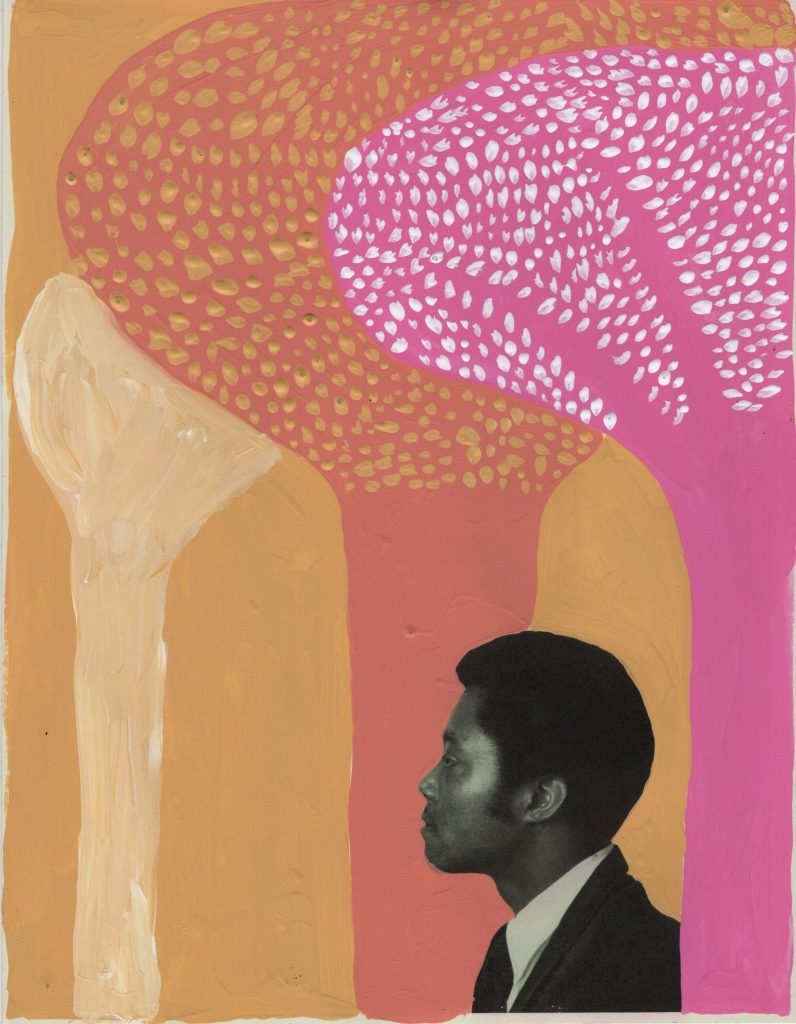
TWS – Your work has this nostalgic quality, though I don’t mean that negatively. It feels like you’re reaching back toward something more fundamental or essential.
EW –Definitely. “Nostalgic” is another potentially dangerous word, like “playful.” I remember in art school, nothing could be worse than being called nostalgic. I don’t necessarily agree with that judgment.
I think one complaint against nostalgia is that it looks at the past and imagines it was better than it actually was. I’m not claiming the 1960s or ’70s were better than now—although maybe they were in certain ways. But I also reject the idea that computers and AI are the only path forward. That feels like a future being shoved down our throats by billionaire tech moguls.
I heard someone say this about ebooks versus real books: it’s possible for the world to have both. The same way it’s possible to have both staircases and escalators. The invention of the escalator didn’t make stairs outdated. Maybe I’m just a person who prefers stairs to escalators. There’s a quality to walking, to slower movement, that appeals to me.
So yes, you could say analog film photography is old school and nostalgic, and that would be correct. But film is still a valid medium that exists as much today as it did in the 1970s. It’s a choice of preference.
TWS – I wasn’t meaning nostalgic just in terms of style. What I see is that nowadays everything needs to be fast—right here, right now. Time in making things isn’t valued anymore. But your work needs time, needs thinking, needs physical materials. You have to be in contact with things and let them develop slowly. That feels like something from the past, and that’s what I meant by nostalgia—this connection to a slower way of working.
EW – I do think that that is definitely present in the work. But it is interesting and one of the reasons that I actually moved over to Substack is that I felt with Instagram the kind of frantic quality. It was just getting faster and faster and more and more engagement hungry. And that any kind of slow and subtle type of artwork just, it could not exist on that platform. There just wasn’t the right space for it. And my hope with Substack is, you know, people are still busy and this is still appearing in their email inbox in between all sorts of other offers and things like that. So maybe it’s not totally ideal, but I do think the general pace is a lot slower on Substack and that’s, it’s just kind of how it’s been made.
Speed is something that I struggle with for both in the creation process and the speed at which something is shared. Because it’s a hard line to walk for me because yes, I want to allow things to take time, but I’ve known from periods of my life where I gave myself infinite time to work on a project, it was always a disaster. Like I had to have probably like a deadline at some point because nothing was made. And I tend to be an overthinker.
And so what my daily video on Instagram allowed me to do and what my Substack is allowing me to do is it’s saying, “Hey, something is due today. You need to get something done”. And so it forces me to clarify my thinking and focus and actually create something. And I think when you do that enough, some interesting things happen because you kind of run out of all of your ideas of things that you know work and now you’re forced to try things that you don’t know if they work or not. And it’s an uncomfortable place to be sometimes because you don’t know what the result is going to be. But I found for me it tends to lead to my best work.
On the one hand, I want to give myself all the time in the world, but I also know that that doesn’t work for me. And then, and then when sharing the work, I want it to be slow paced and kind of meditative at some points, but then I also know from personal experience, I can kind of get bored with work like that’s like that. And so, you know, I have to find the right balance between something that is that I don’t want to bore people, you know? And so trying to strike that right balance is important to me.
TWS – The video sketchbook project seems like it was a turning point—finding your voice and getting recognition. How did that come about?
EW –Yeah. I’ll give you the real story. I was working in New Orleans. I had the best possible job I could get, which was I was an art director at an advertising agency in New Orleans. And I love the people I worked with and I think the work was pretty good considering where I was, but I was pretty unhappy with it kind of creatively and personally and I didn’t know what to do.
Are you familiar with Andy Miller of the Creative Pep Talk podcast? He’s an illustrator, he also has a podcast. I was quite obsessed with the podcast at the time, and there was nothing else really like it at the time. Because he would talk about kind of the creative career path. And so he was the only person talking about money and agents and other things like that that nobody else would talk about, doing it in a way that wasn’t kind of gross. He was trying to talk about how can you actually make a career doing this work that you find fulfilling. And so I listened to this a lot, and he had a $300 session to have a one-on-one with artists to help them kind of guide them.
So I signed up –even though it was a lot of money. We spoke. And he looked at my work and he said, “This is really fantastic work, but if you want to be able to like do this for a living and leave your job, you need to get 100,000 followers on Instagram”. I thought, “Oh god, that was the last thing I wanted to hear”. It sounded awful. I had a thousand followers on Instagram and I thought that was really great and that’s that was all that I needed. And I hated the idea of trying to seek status from other people or trying to get popular, that that just sounded so opposite from what I was after. But he said, “No, you don’t have to do anything gross. You just post the work that you’re doing, but commit to doing it every single day”. I said, “Well, I’ll give it a try”.
And so I started doing it and pretty soon I forgot about the goal of getting the 100K followers. Now my goal was to make work every day. And I became obsessed with it. I loved it. I loved the creative challenge of it. I loved exploring new ideas and trying to kind of outdo myself and drawing inspiration from all sorts of different places. And so I did it for a full year, and on the day a full year after I started, I quit my job. I had my first two clients were Gucci and Prada. And I just couldn’t believe my luck. It completely changed my life.
EI haven’t told this to many people because I still feel a little hesitant to admit all of that. But I do think it’s important to know that sometimes the thing that is standing between people and their audience and getting seen in the world is just a commitment to putting work out on a very regular basis. And it’s hard, but in a way it’s the simplest thing in the world. Get kind of familiar with your work to a point that you can put it out every day.
I mean, that might not work for every medium. And honestly, I didn’t think it would work for animation. I thought I’d have to do maybe one a week, but I figured out all sorts of kind of shortcuts. And in fact, the extreme limitation of it or the constraints of it became the most inspiring thing. How can I pull this off? Because I was working a full-time job at the same time. So, how within my spare 45 minutes every day, how do I make a new animation?. And so yeah, it has completely changed my life.
During this period I also learned I need a schedule. I need deadlines. Because for the past couple of years, ever since COVID, I’ve kind of gone back to my old ways, which was make work when I feel like it. And it turns out to be not that often. You know, I make a piece every month maybe if I’m lucky. And when I give myself a deadline and kind of hold myself accountable even to others who are like expecting something at a certain time or day, I can in a way get out of my own head and just make the work.
So it can be stressful, but maybe in a good way. And I’m not saying that people should be stressed. I don’t think that’s good. And honestly, we need like a lot less stress in our life, but there are certain types of good stress that I think are actually beneficial. And I think this is one of those.
TWS – Yeah. Trying to find the balance… Which is hard.
EW –It’s definitely hard. Especially the way things are politically these days, I just, I have to like pretty much just tap out for a while and not engage whatsoever. And I honestly I don’t think that’s the best approach. But anything else, it like paralyzes me. I’m unable to work, I’m unable to do anything else, I’m miserable, I can’t sleep. And so, yeah, it’s a really, everyone is having to find their own way in this time.
And I actually think that talking about these things, talking about beauty, talking about slowness, talking about giving yourself time to appreciate the world and slow down and work with your hands. Like I honestly think that maybe this is what the world needs most right now.
And which is also to say that not that like art is the most important thing in the world. The most important thing in the world is that you pursue that gift of yours and that thing that lights you up. And I think each of us in our own way and start making the world a little bit better. Just push it in the right direction if we all allow ourselves to do the things that we love and that we’re good at and that brings a little bit more joy into the world. It’s about trying to find the poetry but also fighting for it.
And I know like I think it’s a fault of mine that I lean more poet than fighter for the most part. But this is the beauty of genetic diversity that there are people that are kind of excel in one range versus another and it’s not the job of the poets to become fighters or the job of the fighters to become poets. Although maybe we do meet kind of part way.
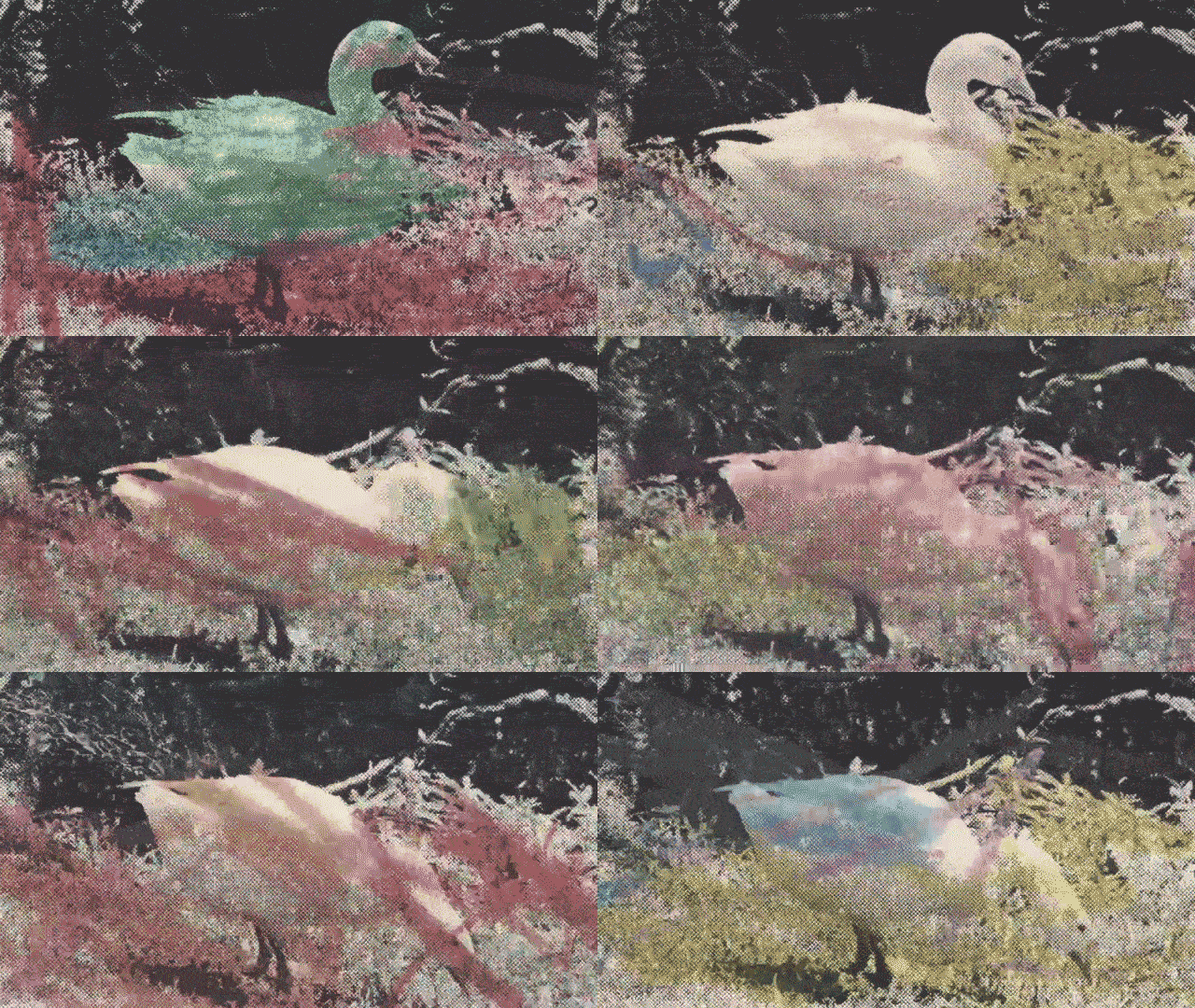
TWS –Tell me about how you gather your source materials. I can see so many different elements in your work—like that crocodile you photographed near your home.
EW –I know. That’s crazy. Yeah, I was not expecting to see that when I went took my bike out a few weeks ago.
I think also like so these are alligators and I don’t know if there’s a huge difference but I have heard that people say crocodiles tend to be a lot more aggressive. But even so I didn’t even say this in my post but the very first time I saw one I only had my phone on me and I was trying to get closer and closer. And I was probably only like 15 feet away and it did this move where it just splashed in the water like so quickly and I jumped out of my shoes. I was so terrified. I really learned my lesson that these things are very fast when they want to be. So even though they still is a log for an hour, they can move like lightning if they if they choose to.
So as far as finding source material, I looked at the Prelinger Archive, part of archive.org, that was a good source of inspiration for the video sketchbook. But I’d say just as much what I would do is while I was working at my office job, I would take my lunch hour off and just walk around with my phone and just film puddles and crows on wires and weeds and flowers and cars and all sorts of things with no real idea of what I was going to even be doing with it. And then, you know, later that night, I would come home and see, okay, here’s my crow footage, here’s my car footage, what can I do with it?.
And the way I kind of thought of it was like in a weird way as kind of a collaboration with the world if that makes any sense. Like the universe would send me these things. I’d say, “Okay, this is interesting. What can I do in response?”. So, it was almost this call and response type song between myself and my environment. In that every day I walked more or less the same blocks, but found new things every day.
And that was partly thanks to just being very open and walking slowly and looking closely. And I’ll even say this is a little bit embarrassing, but I really would make an effort to go out with a very open and loving heart. And so I would walk out from my office with a big smile on my face and look at everything as if it were my best friend from a tree to a traffic cone and kind of come up to it and like not actually speak out loud, but just like check it out. “How are you doing today? Look at you. Look at this beautiful mold that’s growing on this side of the or like look how the light is hitting this”. And in a way I felt like the world kind of responded in kind. It was almost like I had a completely different experience when I went out with that mentality versus just like got to get some photos. It really allowed me to see things in a way that I wouldn’t have otherwise and have these ideas like, God, these, you know, this beautiful oak tree is as much alive as I am and it’s as much alive as this bird is, and these kind of philosophical ideas that did not necessarily come naturally to me but when I was in an open space it did and that would also then inform the work I think of of what I ended up doing with that footage.
I still am, I’m very interested in collecting footage myself. I rarely use stock footage. I have used things on on Pixels and Unsplash, but I really, you know, like if there’s footage of a camel or something, it’s unlikely that I took that film. But for the most part, I try and I try and film all of the things myself or when it, you know, when it’s really obvious, I will use kind of an archival bit of footage.
TWS – “In an interview, you mentioned wanting to turn everyday things into something magical. Is that a core principle of your artistic practice and how you approach daily life?”
EW –Absolutely, that’s a thought that’s always with me. I often ask myself if everyday life is already inherently magical and we just don’t notice it all the time. I believe there’s a place where science and the occult meet, and I guess I’m a bit of a mystic in that sense—I feel there’s something beautiful and cosmic happening even in the most mundane moments. My artwork, then, might be a way of simply revealing the inherent wonder and strangeness of every single moment.”
TWS – I have just copied this quote from Marcel Proust for another project I’m working on: “The real act of discovery consists not in finding new lands, but in seeing with new eyes”…
EW –I love that quote. I absolutely believe that. Honestly, I think one of the roles of art is to give people new eyes. I don’t know if you’ve ever had this experience, but after seeing a really great show at the Museum of Modern Art, I would walk out and it felt like I was entering a completely new world—not the one I had left behind. That’s a good indicator of seeing good art: you’re not walking back into the same world you left when you walked into the museum.
TWS –You’ve worked with major brands like Prada and Gucci, and yet your commercial projects still maintain your distinct experimental aesthetic. How do you approach the distinction between your personal work and your commercial commissions?
EW –Well, it can be tricky. One of the things I’ve been thinking about lately is that a commercial project, especially when you’re working with smart and creative people—which I’ve had the good fortune of doing—really becomes a collaboration. The best scenario is when two groups of creative people come together to make something truly special.
That said, I think one of the things that’s a bit harder with commercial work is that clients often come to you because of something you did specifically. They’ve seen your past work, and the feeling is, “This was so cool. Let’s do this with our logo on top of it.” I find that a much less interesting approach.
What I try and do in those type of situations and say “Okay, this is one way we can do this where you get exactly what you asked for: We recreate this piece and put your product in it. Or, what if we explored something completely new that nobody’s ever seen before?” And then that makes it a more exciting project. And that’s that’s what I strive to do on every project.
But I will say some commercial projects do feel like just repeating myself. And often the work that clients were citing was three or four years old. And so I was trying to put myself in the headspace of “what would the artist Erik Winkowski do in 2019 in this situation?”. And it’s not the position you necessarily want to be in. So I really do try to use that reference that the clients come to me with and then take it somewhere new that we’ve, none of us have ever gone before.
Being a freelancer before Instagram was a completely different experience. People would just say, “Hey, you know how to use a computer. I want you to copy this animation.” It was so disheartening, and the references were often something that Apple had made.
Now, I feel very fortunate. Whether it’s The New York Times or a fashion client, they come to me because they want something that feels tactile and has all the qualities of the work I’ve shared before. The projects I work on are usually already tailor-made to that aesthetic and philosophy.
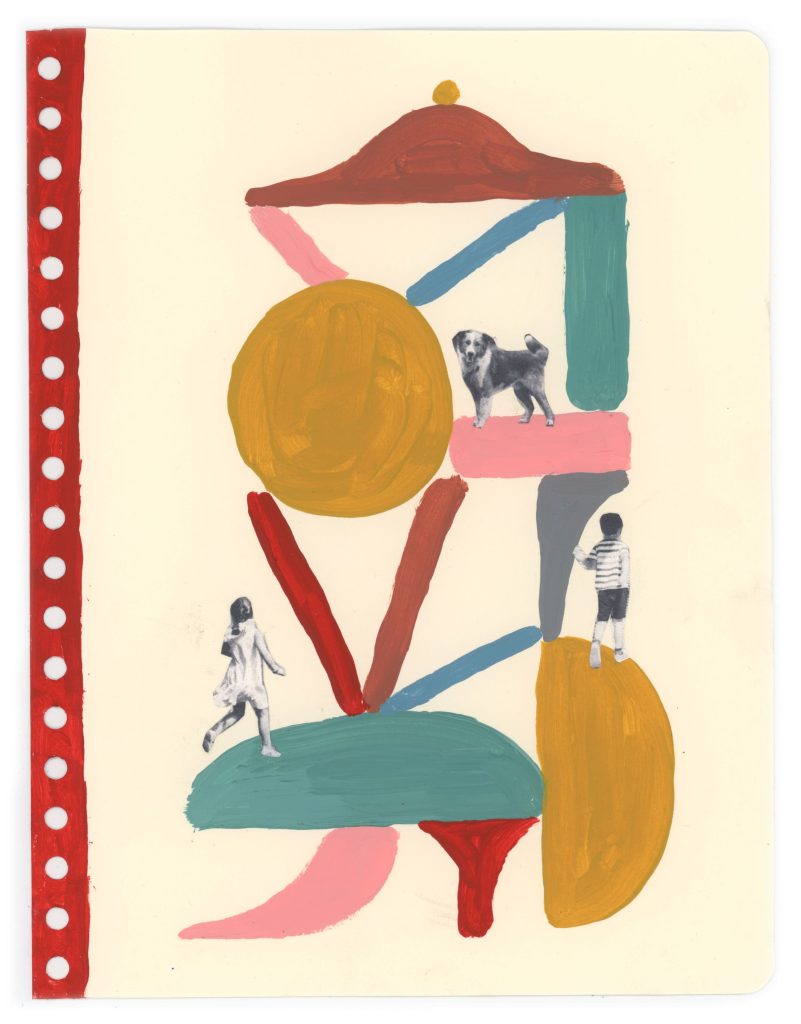
TWS – You’ve discussed your Substack, Paper Films. What’s the core idea behind the project, and what do you hope to achieve with the content you share there?
EW –It’s only been about three months, but it’s already turning into something quite different—and probably better—than what I had planned. That’s a good thing about just diving into a project without overthinking it.
I really wanted Paper Films to be a home for projects that didn’t make sense on Instagram, like little experimental books or short films. I knew what worked on Instagram was just really eye-catching, fast eye candy. While some of that can be wonderful, I wanted to try something different. Whenever I did, the work wasn’t getting to the people I wanted, and I realized Instagram just wasn’t the right platform for it.
So I think Substack is kind of perfect. At first, I thought it would be really limiting because it’s just an email newsletter. They do have video capabilities, you can do GIFs, you can do images, but I wasn’t sure how I’d be able to make my work live there in an interesting way.
The way I think about it now is that it’s almost like an open studio for me, sharing what’s on my mind and what I’m working on. For me, it’s very much process-oriented, too, which I think is important in a time where AI is taking over. This was something that was really top of mind for me: as interesting as the final work is, I think the process is just as interesting. I love getting to see how artists make their work and the thought process behind something. For me, Instagram was all about presenting the final work, and I think AI is getting really good at that. But it’s not good at the process and losing the human element. So I really wanted my Substack to have more of a human element and a process-oriented approach.
So I’m really using it as a place where I can just work on whatever personal project interests me and share how I’m thinking about it, how I’m creating it. Hopefully share some of like the process of how I make my animations and things that people have asked about over the years. And it’s going to be very loose and, you know, right now photography is an interest, so that’ll probably be appearing in the next few weeks. But it’ll shift back to animation and bookmaking. And so I’m going to be, you know, juggling all of these different projects and sharing my working process as I go along.
And then one of the things that’s really surprised me, as I wrote about in a recent post, was the communal aspect. And this is something that I feel like, you know, I love digital platforms and the way we get to share our work and build an audience. And this is, you know, like not to be overlooked. I think I’ve been making work my whole life, but I’ve only had an audience for it for the last five years, if that. And having an audience for your work is incredible. I mean, it’s one of the greatest things you can experience, like finding people who your work makes sense to, and it’s not easily done. And so I really I’m grateful for that.
But I feel one of the things I don’t love about Instagram and even Substack to a certain extent is that it turns every artist into kind of a lone performer and creator. And I dislike the performative aspect of all of these platforms. It feels very selfish and egotistical and it’s not necessarily my preferred way of making art. And so I guess one of the things that’s been interesting to me is that with Substack’s chats is that I’ve been able to create little areas where other people are able to share what they’re doing.
And it’s been so inspiring to see what other zine makers have been up to, what other animators have been up to and, and then seeing other people kind of commenting and encouraging one another and sharing the process.
It is a very open kind of sharing experience where people are encouraging one another and sharing ideas and experimenting together and sending work to one another.
It’s been truly inspiring. While I know my work has inspired others, I’ve been really inspired myself. It’s given me all sorts of ideas. I even bought a new camera to make 3D GIFs because of it, and I’ve become interested in doing cyanotypes again because of all the beautiful cyanotype animations people have been posting.
I’m still totally getting the hang of Substack, but for me, one of the most exciting experiences has been the realization that this could actually be a truly communal place, unlike any other platform I’ve experienced like YouTube or Instagram.
TWS – Music is part of many of the pieces you create. You sound design most of your animated pieces, is this right?
EW –Yes, I do all the sound myself. I’ve always felt it’s a known fact that music and sound account for most of the emotion you feel when watching a visual piece. While I considered collaborating with other musicians, I wanted to take the time to try and find my own voice as a sound maker. Honestly, I’m not sure I totally have yet, but I think there’s a kind of collage sensibility there that I want to explore much more—I feel like I’ve only touched the surface of that.
Sound is extremely important for a moving image, and I just wanted to be more verbal about it. I remember speaking with an early sound designer who said we could do some “accents” or “textures,” and I had no idea what that meant. It’s nice now that I can listen to something and say, “What if we had some higher frequencies here?” I have the experience to understand what a piece is missing, even if I can’t do it myself. That allows me to be a better director.
TWS – What instruments do you play?
EW –Oh, play. Well, I would say lowercase “P” play. Piano, string instruments like guitar, ukulele, mandolin. My approach is if I can record eight interesting chords or notes, then maybe I can sequence them in an interesting way. So just in the same way that there is an analog meet digital kind of approach to my visual work, there’s very much an analog meet digital to the, to the sound work as well.
TWS – But still it has this analog feel the sound too.
EW –Yeah. Yeah. And honestly like, one of the things I’m thinking is like maybe toning down the digital altogether. I’ve been really interested in digital effects and kind of mangling audio tracks and things like that. But I am getting back to maybe just two or three tracks with mandolin, shaker, you know, tambourine or something like that and just like making it very simple, very recorded to tape, you know, very lowfi. And as I’ve always done with the animation, sometimes the more restrictions and limitations you put on yourself, the more interesting the ideas get. And I do think that is something a lot of musicians say against working on a computer is that, you know, everything is available to you. And that can be really paralyzing. So when you only have two or three options, then you can start doing some really unusual and interesting things.
And that is something I feel with After Effects too is that I actually use After Effects in the wrong way a lot of the time. I’m not doing it the way that most people normally do it. And so when people ask me what software do you use, I say After Effects. But anything that can do masking and tracking, you probably could do 90% of what I’m doing. I do think there’s a little bit of resisting the way the software is wanting you to use it. And that’s how I use After Effects. I’ve resisted it so that it doesn’t feel like resistance anymore.
Because After Effects in a way like really excels at slickness, you know? Everything can be mathematically perfect and smooth and on a perfectly straight line with perfectly round circles and for me that’s the least interest. I’m always trying to bring in more irregularities and, and, you know, trying anti-perfection, imperfectionism. Which is not what it wants you to be sometimes how how it feels in After Effects.
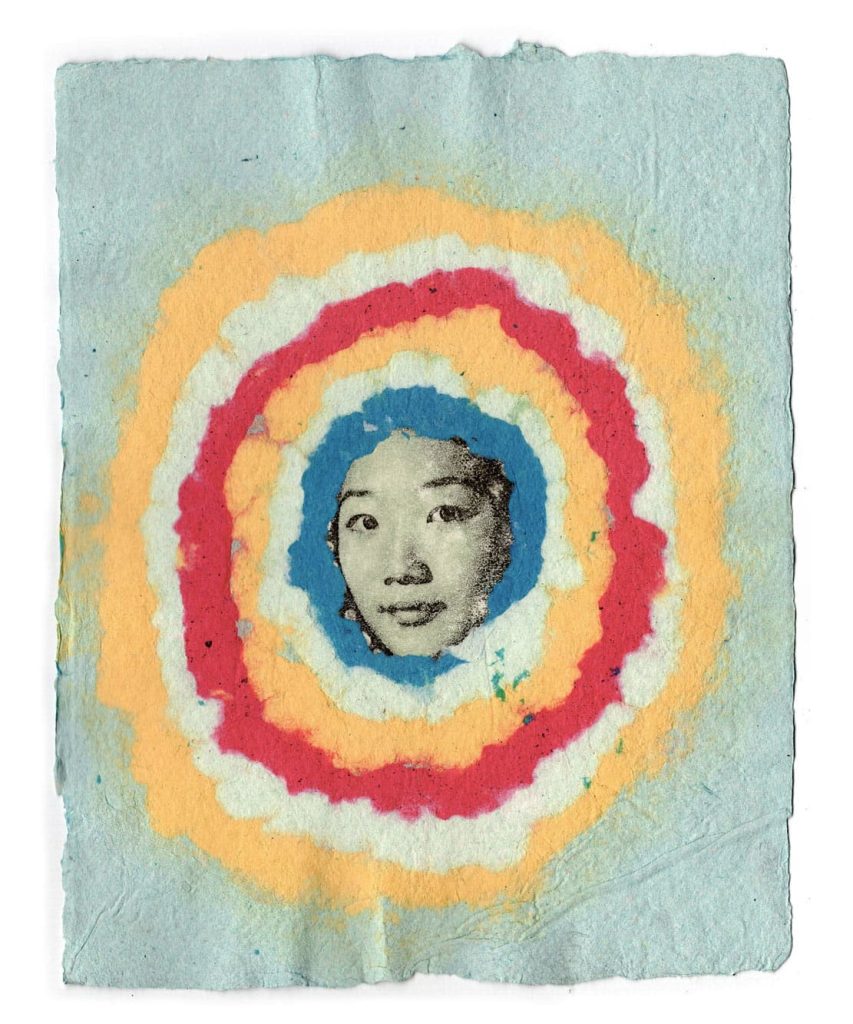
TWS – What’s your personal definition of collage?
EW –Gosh. Yeah. That’s a really interesting question. Let’s see if I have one. Well, collage is almost like the definition of art itself, which is taking elements and presenting them in a new way that is greater than the sum of their parts.
You are taking ordinary material and elevating it or making it a completely new thing. I really do feel that is what art is all about.
There’s a Jasper Johns quote: art is when you take something, do something to it, and then do another thing to it. I think that’s what it is, taking this ordinary stuff and making it something more. There’s another one that I think about a lot, which is a bit tangentially related. It was Philip Guston who said the job of an artist is to make you feel unnumb.
I think that when you take these ordinary materials and combine them in a new way, you make somebody feel something. It’s an incredible form of alchemy. I really do think there’s a sense of alchemy happening in a collage, and a sense of alchemy happening in good art, which is that these ordinary materials have created an extraordinary experience in the viewer.
I really do think that collage is my mode as an artist. It’s how I approach work. And one of the things thatI think is interesting, going back to alchemy, this is something I’ve thought about lately, is sometimes when I’m in a rush or trying to make something great, I’m just trying to –using the alchemy metaphor– make gold right away. But I think the really important first step of an artist is collecting all your lead, all these base materials that seem really uninteresting, uninspiring, and once you have all of this material in front of you, you’re able to really make the magic happen. But you just can’t start making gold with nothing. That’s my belief. That’s how I work.
TWS – One last question. What do you like to do when you’re not working?
EW – I love just being outside honestly, in nature is probably one of the biggest things for me. Just going on long walks looking around. You know, I’m a dad, hanging out playing with my son is a wonderful thing that I enjoy doing that’s not work.
But I do find that any little hobby or interest that I get into has a way of making its way into my artwork. So, I started making music, and I thought, okay, this will be something different from work, and then that comes into my animations and videos…
For the last few years, music has been a really fun place for me to explore and I think has allowed me to get back into a playful spirit. My bar of success is extremely low when it comes to music. And so I’m just thrilled when anything is recorded at all. And I think that is not a bad way to approach art as well. Just be like pretty excited to be experimenting in any form and open to the results and not too quick to judge. And so that has been something that I’ve brought back into my artwork.
Find more about Erik Winkowski on his Paper Films newsletter, website or Instagram