Monday Inspiration ✨
Artist: Willem de Haan
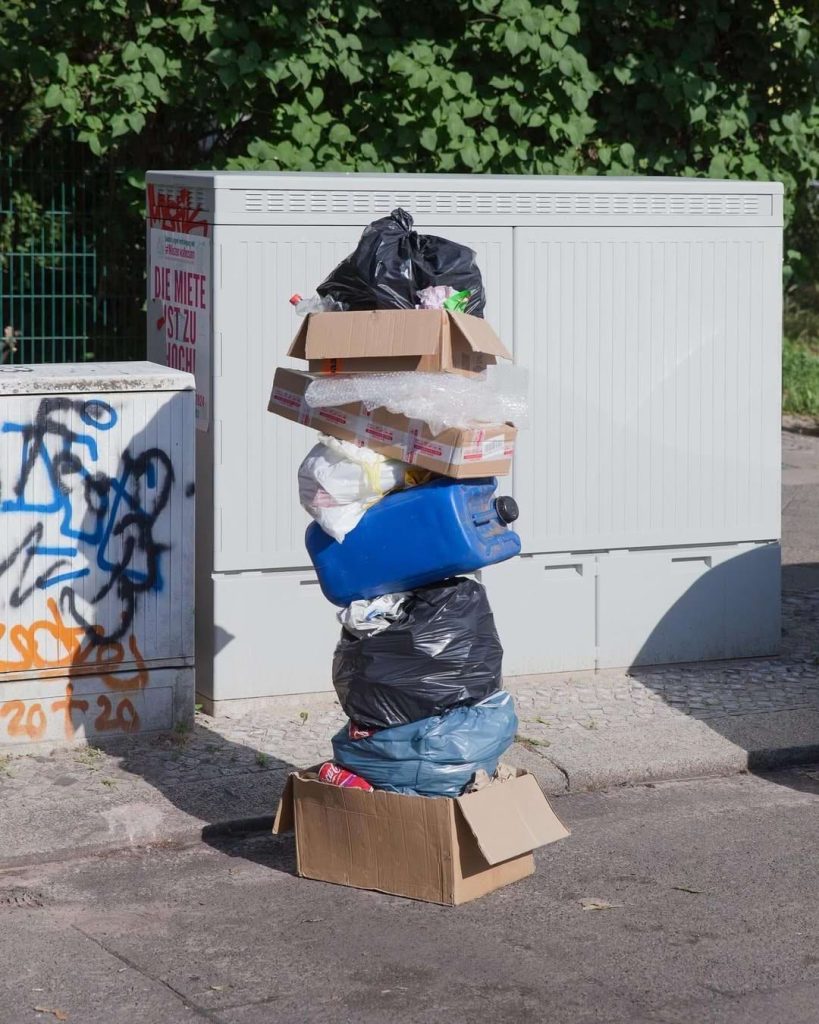
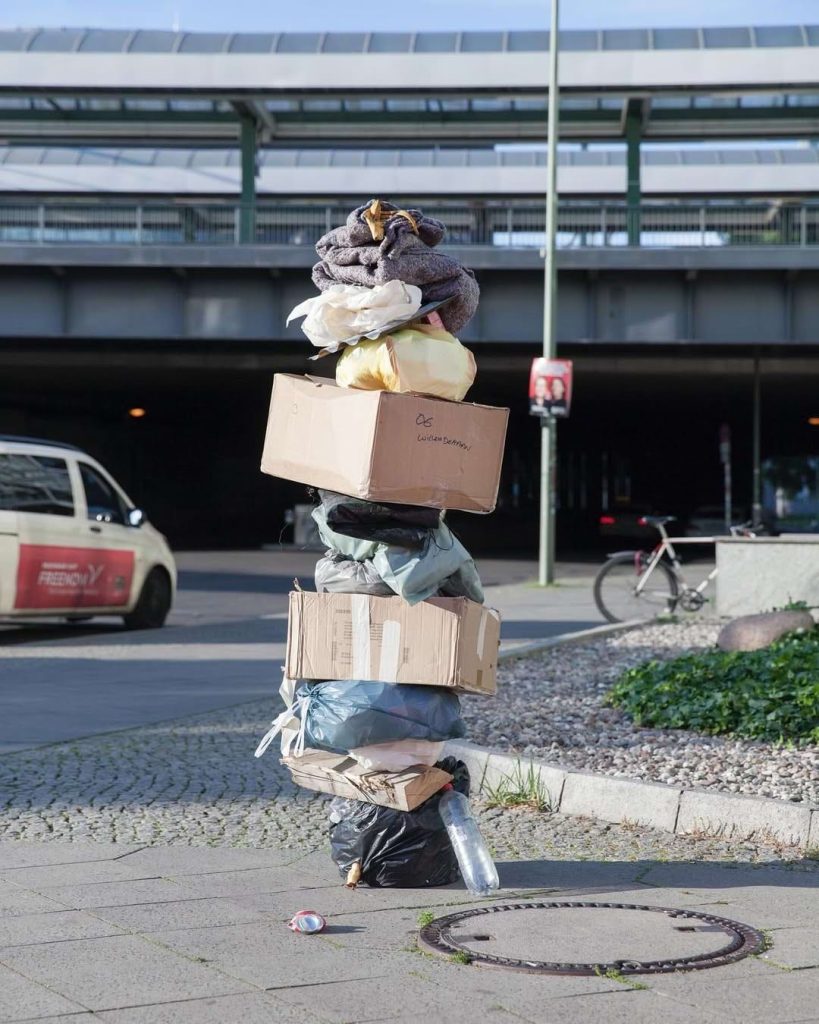
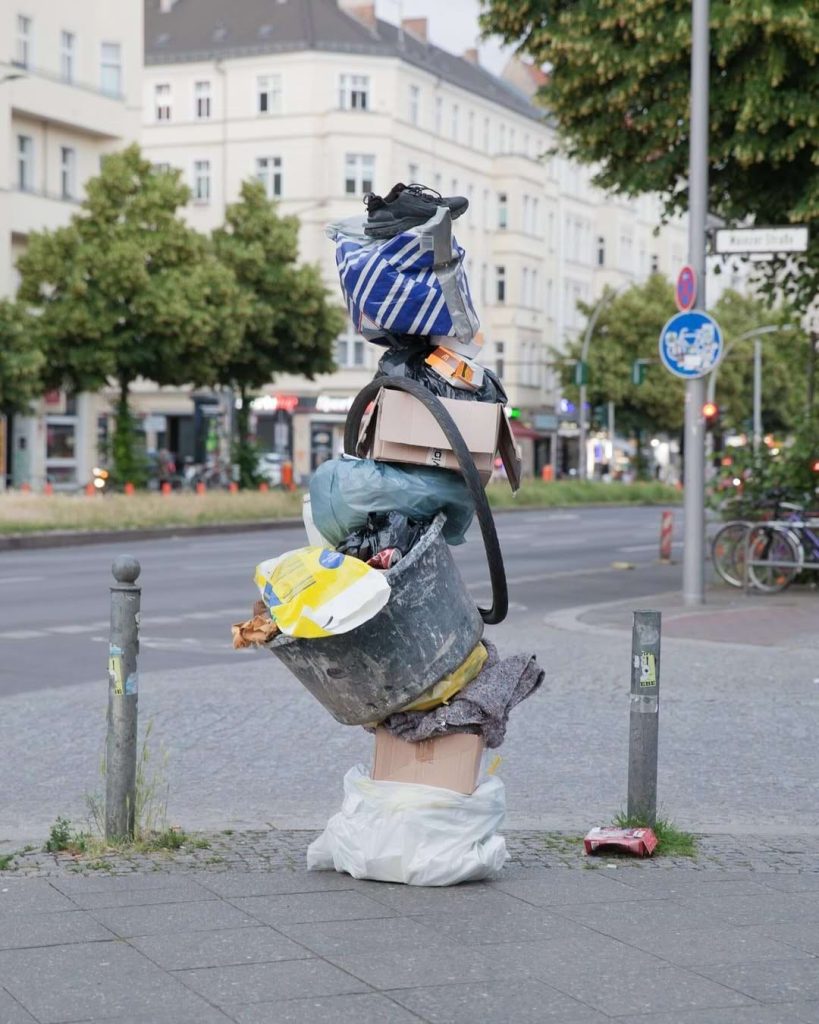
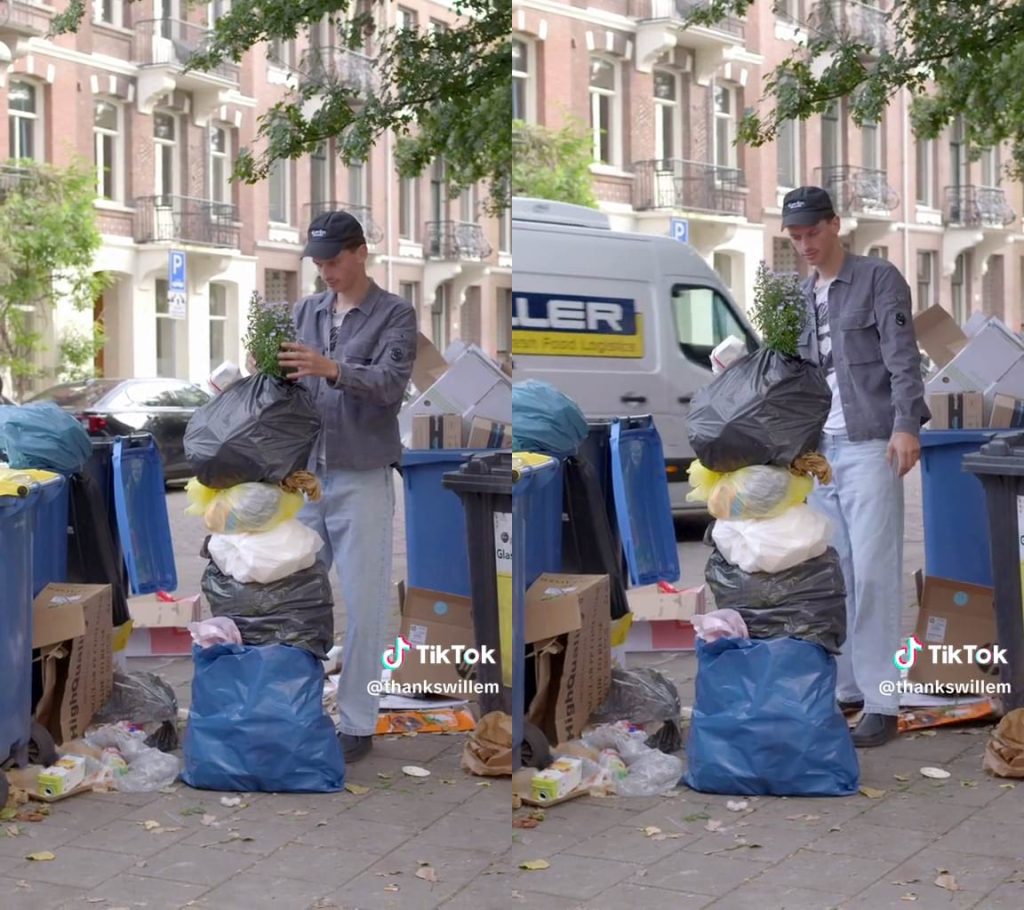
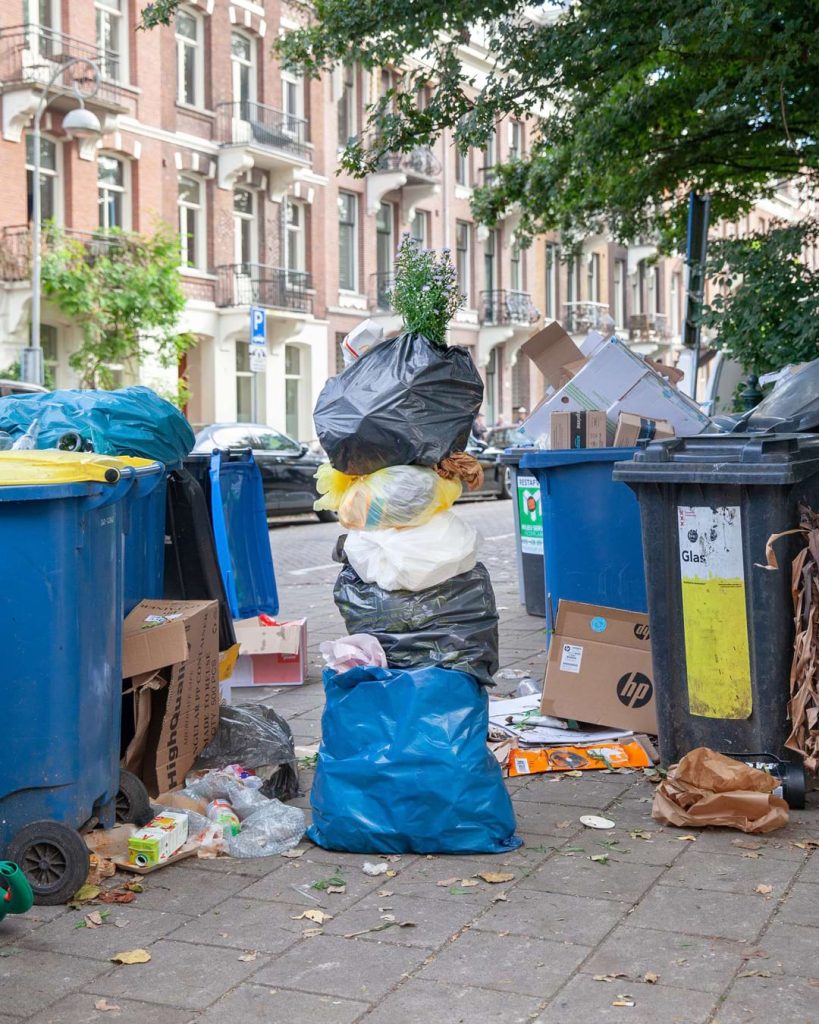
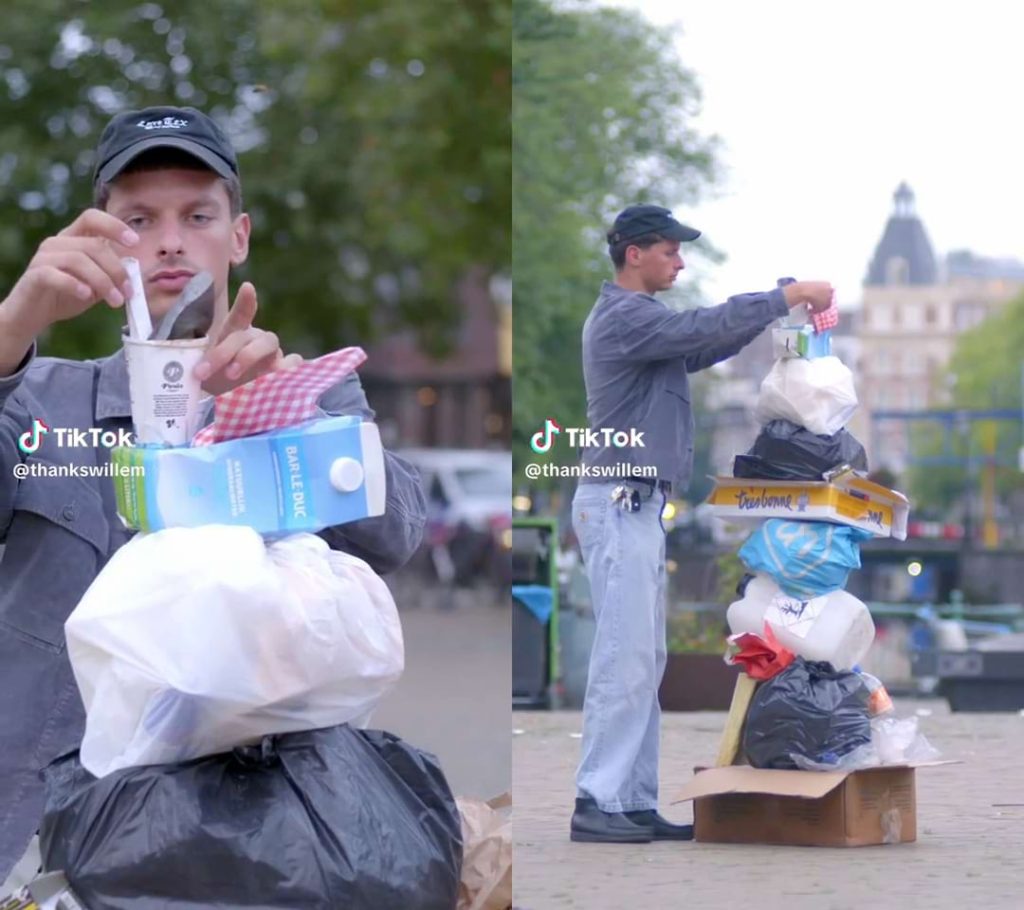
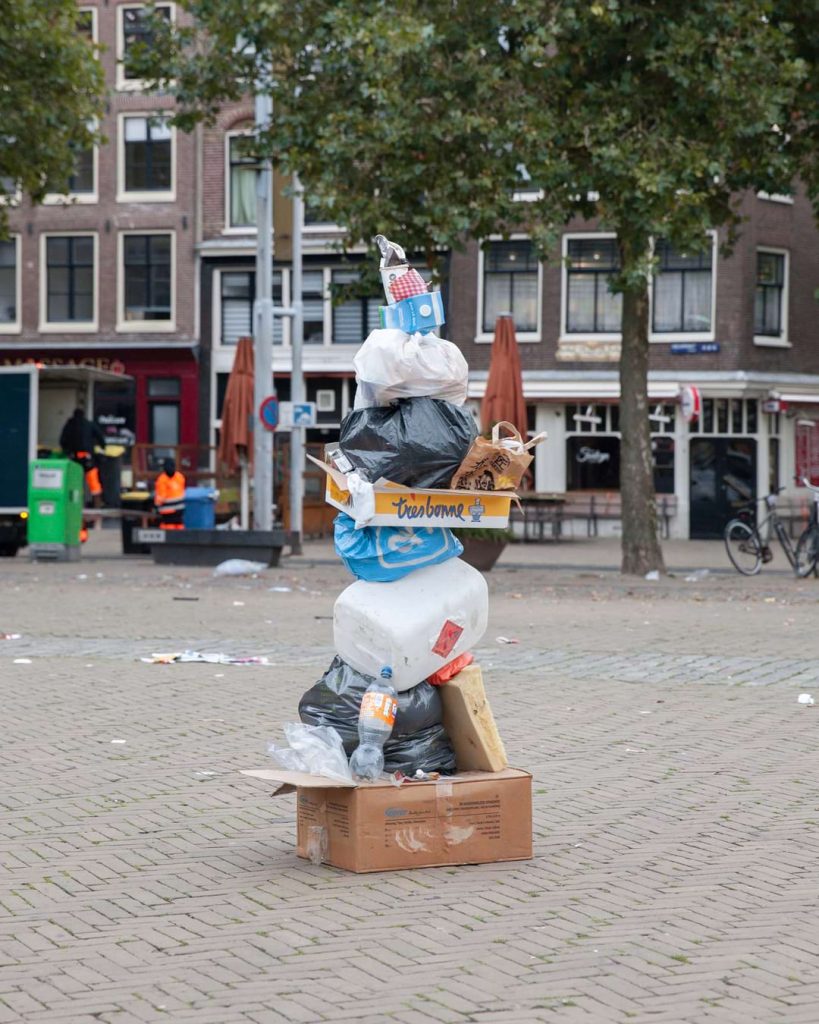
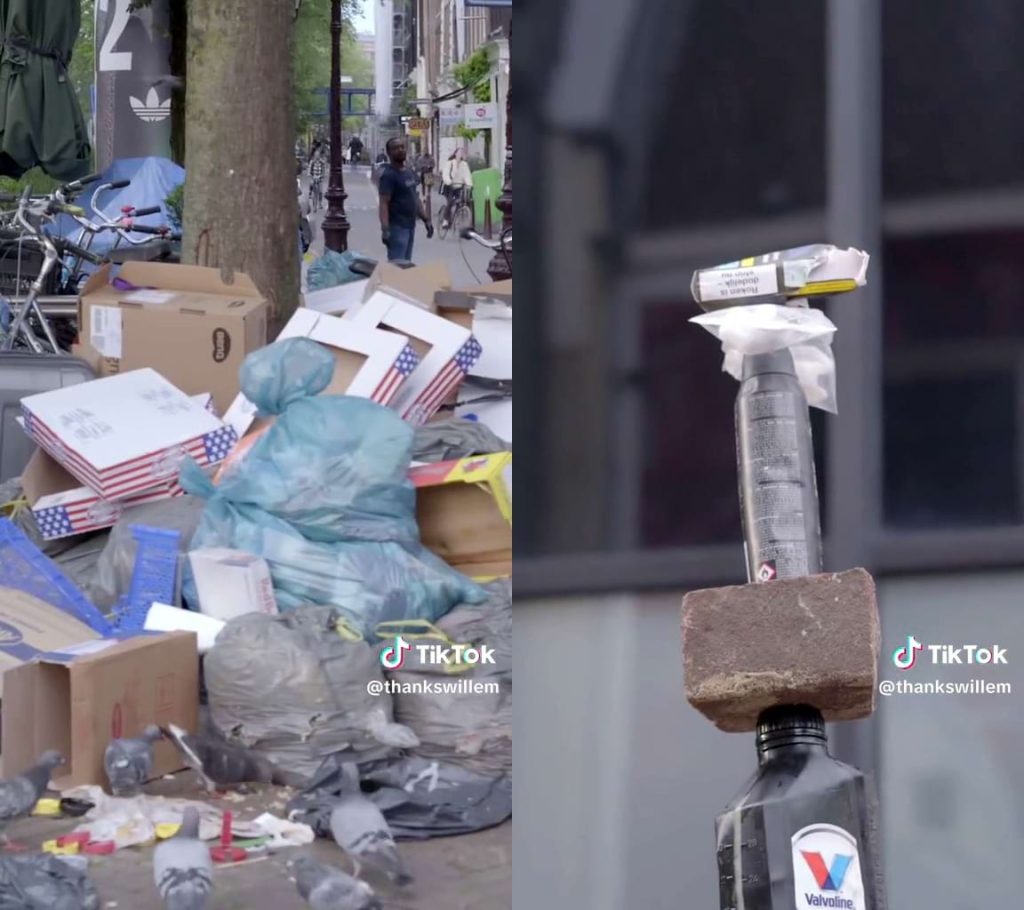
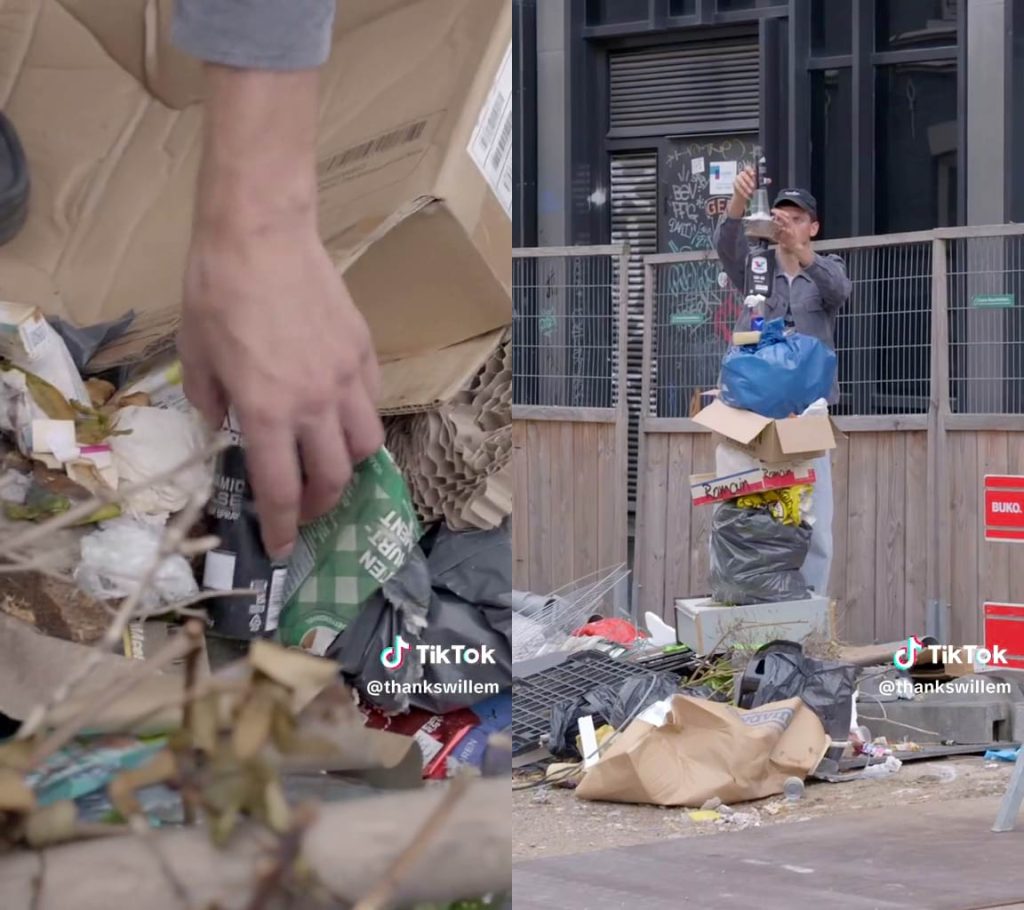
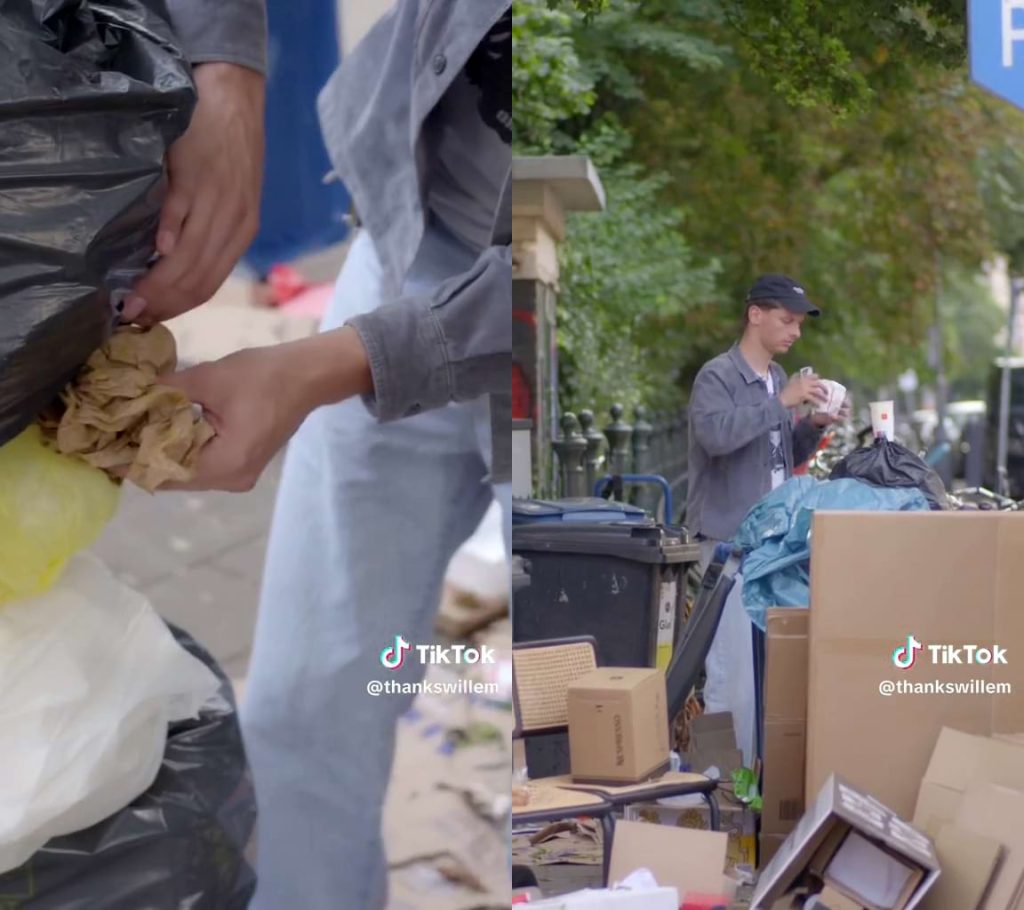
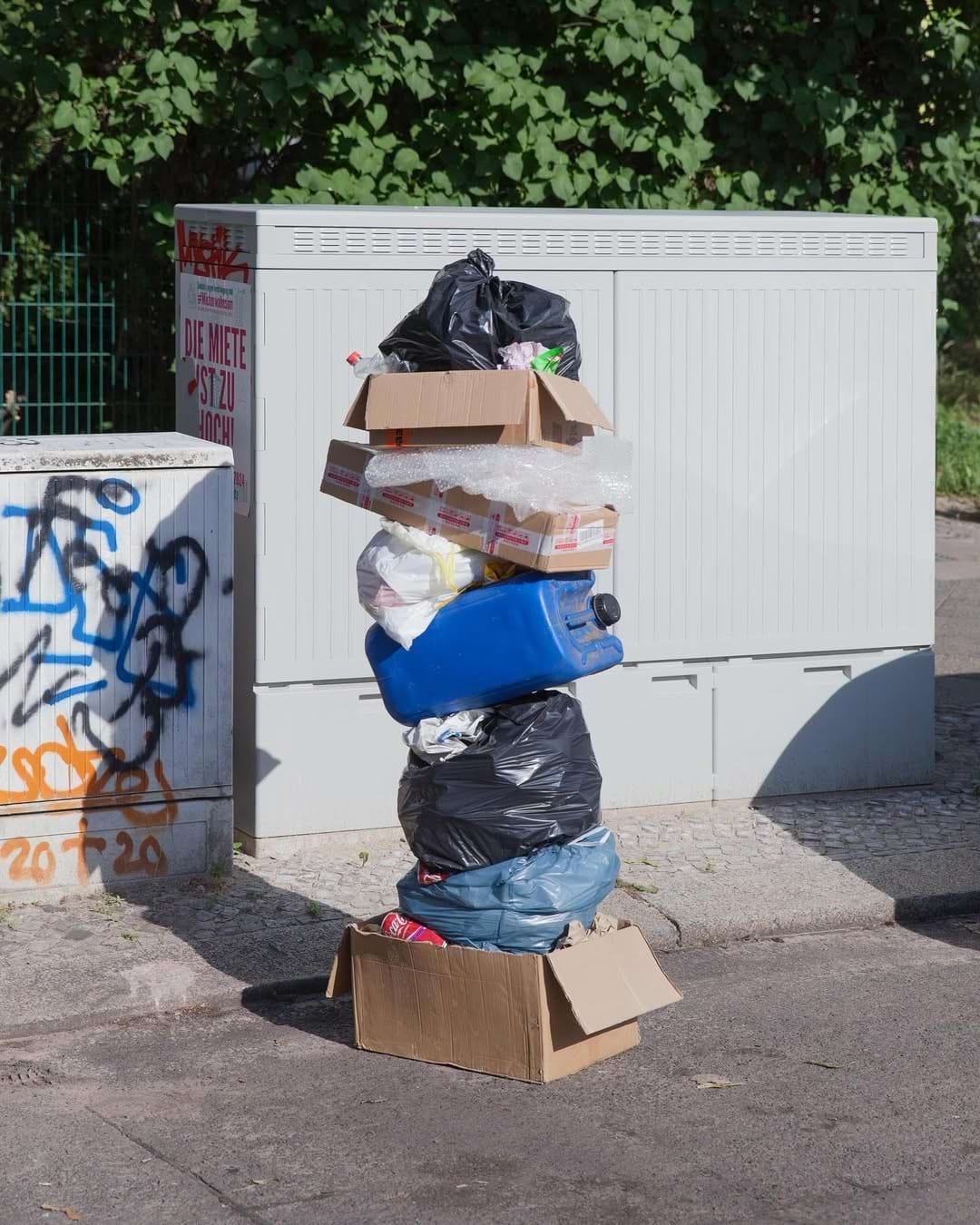
Willem de Haan stacks street garbage in Berlin into totems. He works with actual waste and materials nobody really wants. That’s what discarded looks like.
Now ask yourself: what are we “collage artists” working mostly with? Vintage magazines from the ’50s, ephemera hunted on eBay , old book pages carefully preserved and archived. Printed materials with cultural value, monetary value, historical significance.
Beautiful materials. Visually rich materials. But discarded?
Calling vintage magazines “discarded materials” is convenient. It makes collage feel virtuous, rescuing things, upcycling, being sustainable. But it’s also not entirely honest. We use these materials because they’re compelling, not because they’re trash. A 50-year-old Life Magazine isn’t garbage. It’s a cultural artifact. And that’s fine. But let’s be clear about what we’re doing.
Here’s the real question: does collage actually require discarded materials to be collage? Or is that just a story we tell ourselves to feel better about cutting up valuable printed matter? Collage is a methodology: appropriation, recontextualization, recombination. The materials don’t define the practice. The thinking does.
Most of us aren’t working with discarded materials. We’re working with cultural artifacts that happen to be printed on paper from another era. That doesn’t make the work less valuable. But it’s not always about rescuing forgotten material or upcycling objects without value. It’s about what you do with those materials, not what they were before you found them.
Willem de Haan’s work forces uncomfortable questions about waste, value, and what we’re willing to call trash. Traditional collage asks different questions about history, memory, and cultural archives. Both are valid. They’re just not the same thing.
Text by Max-o-matic