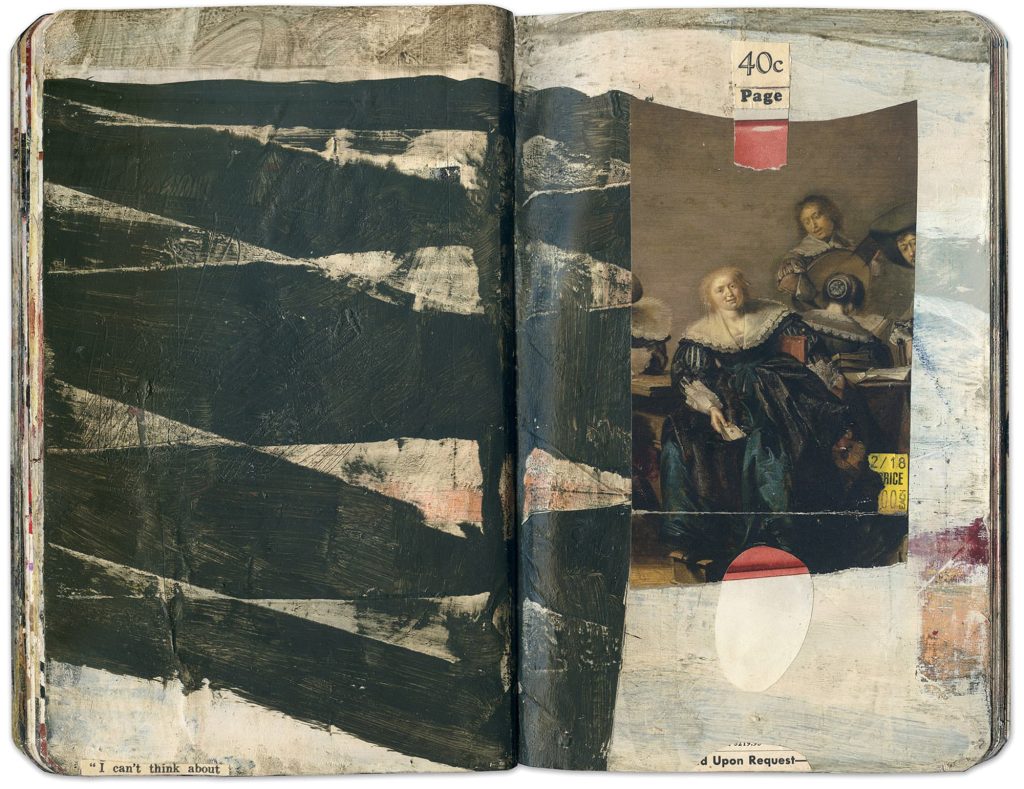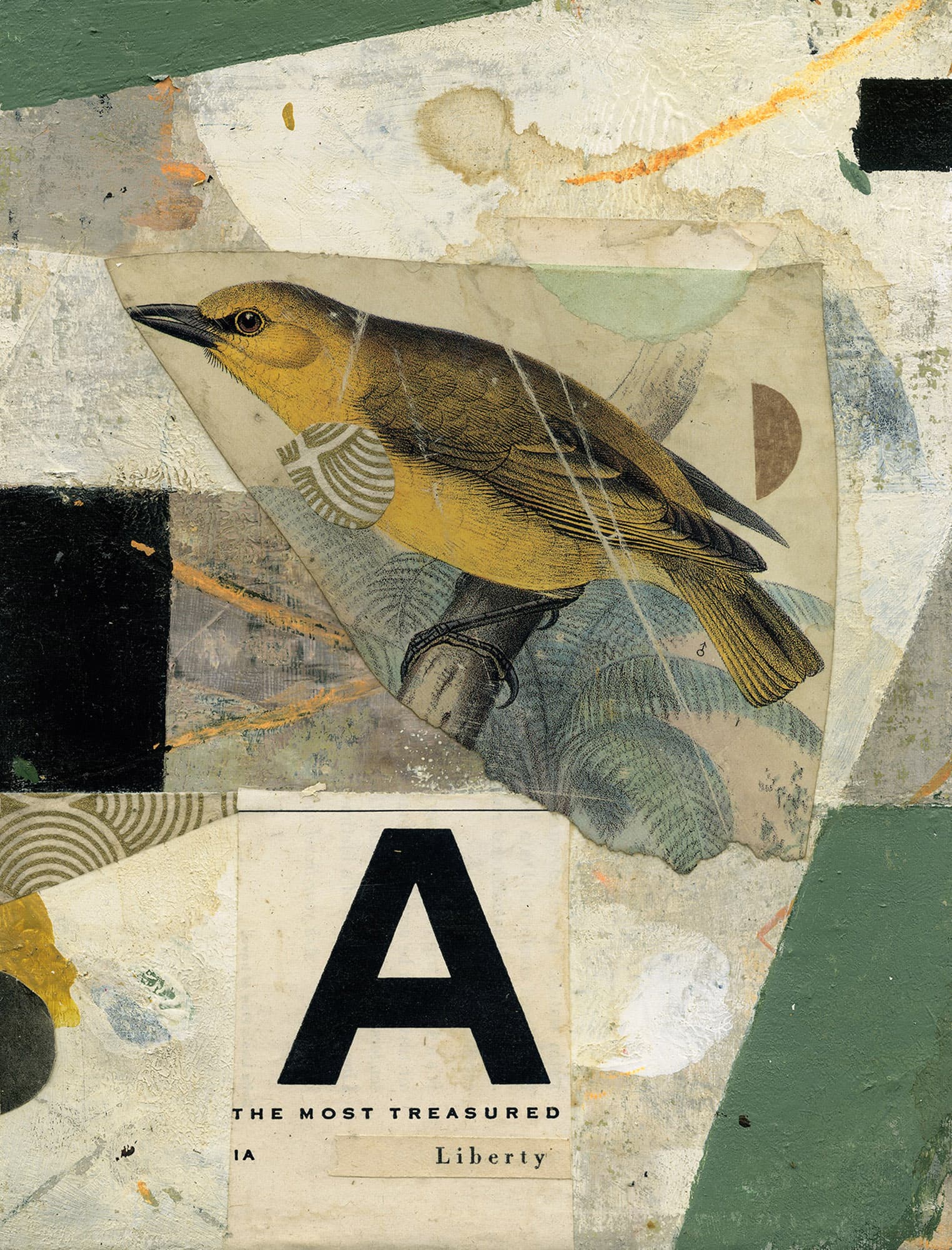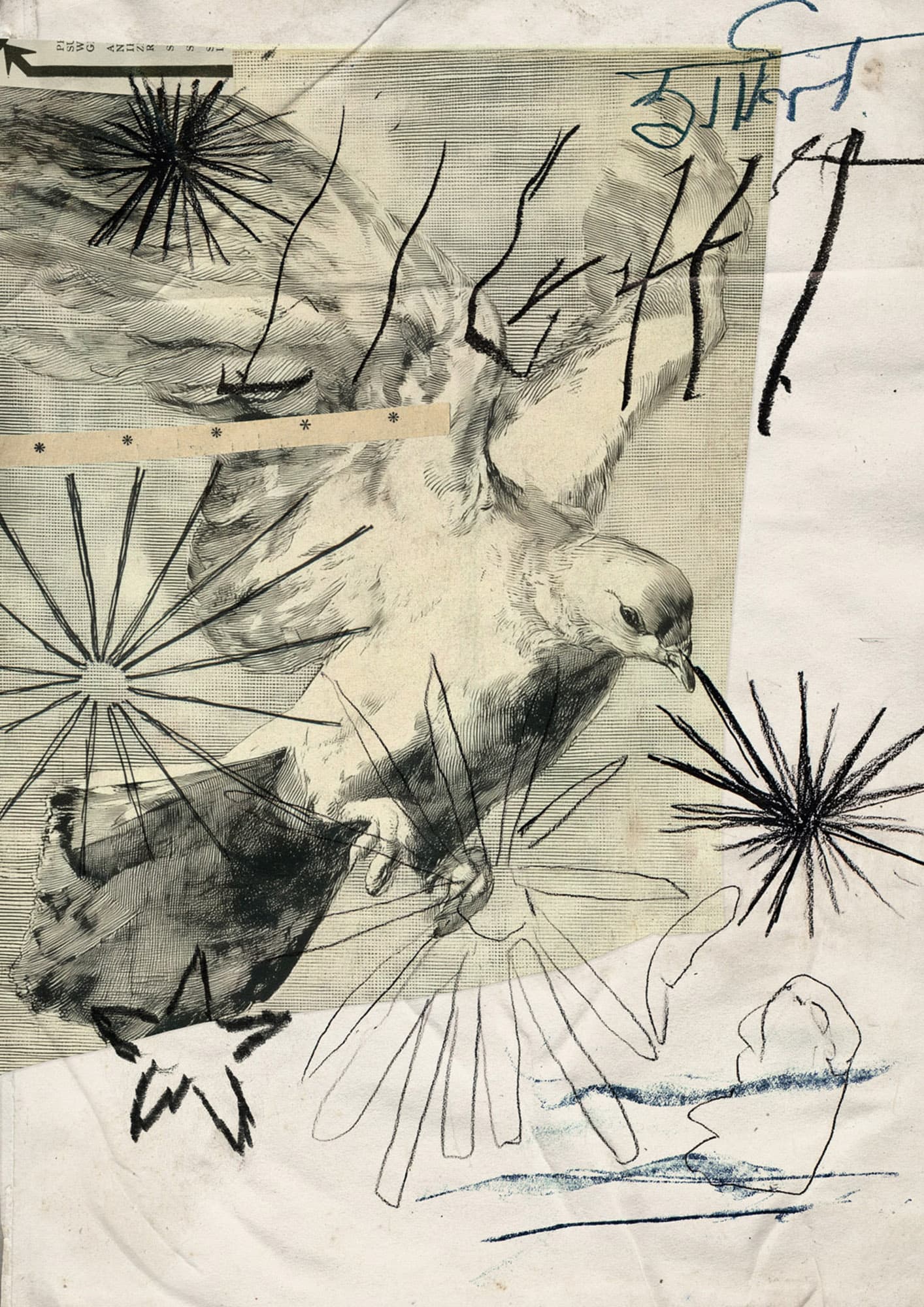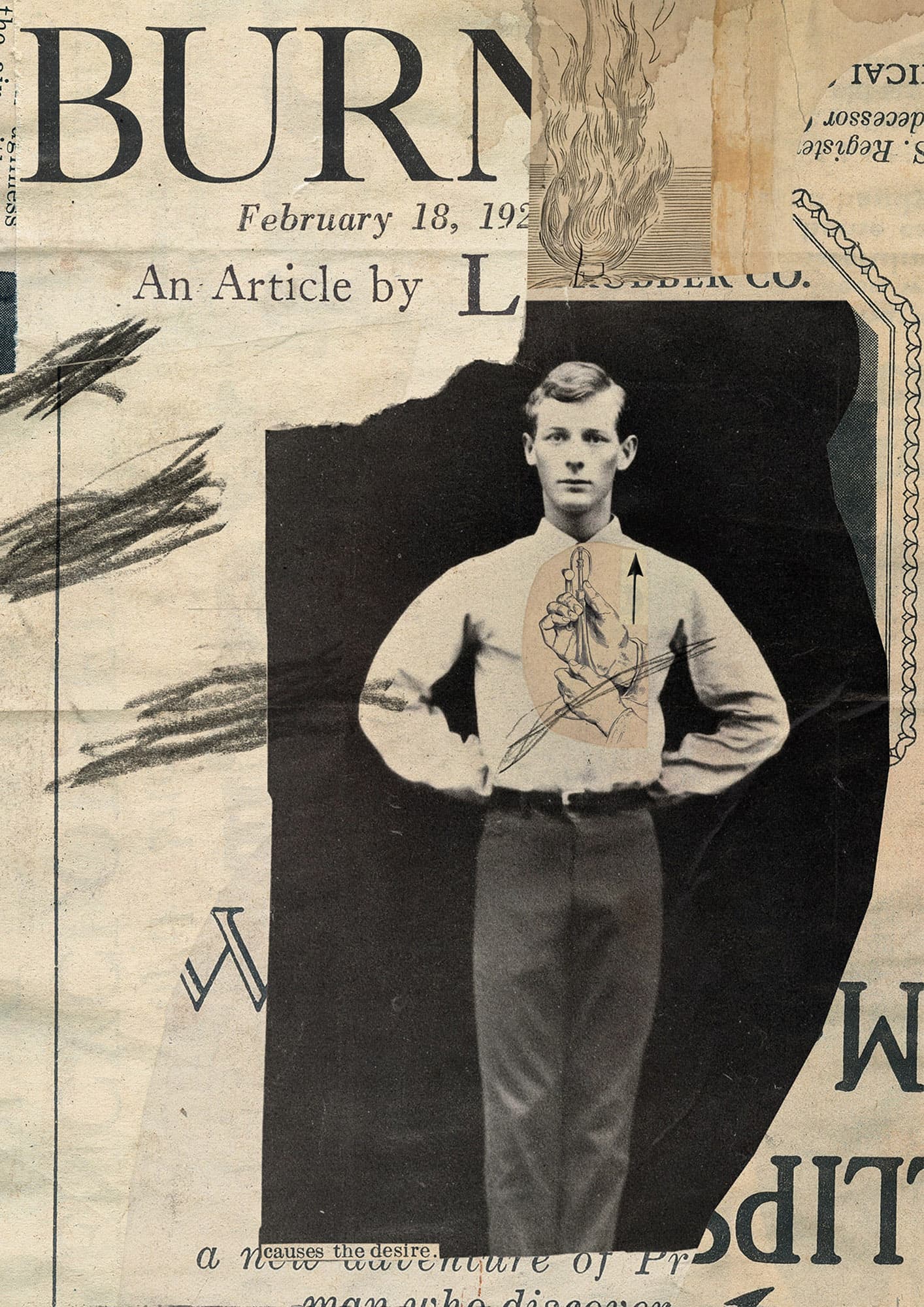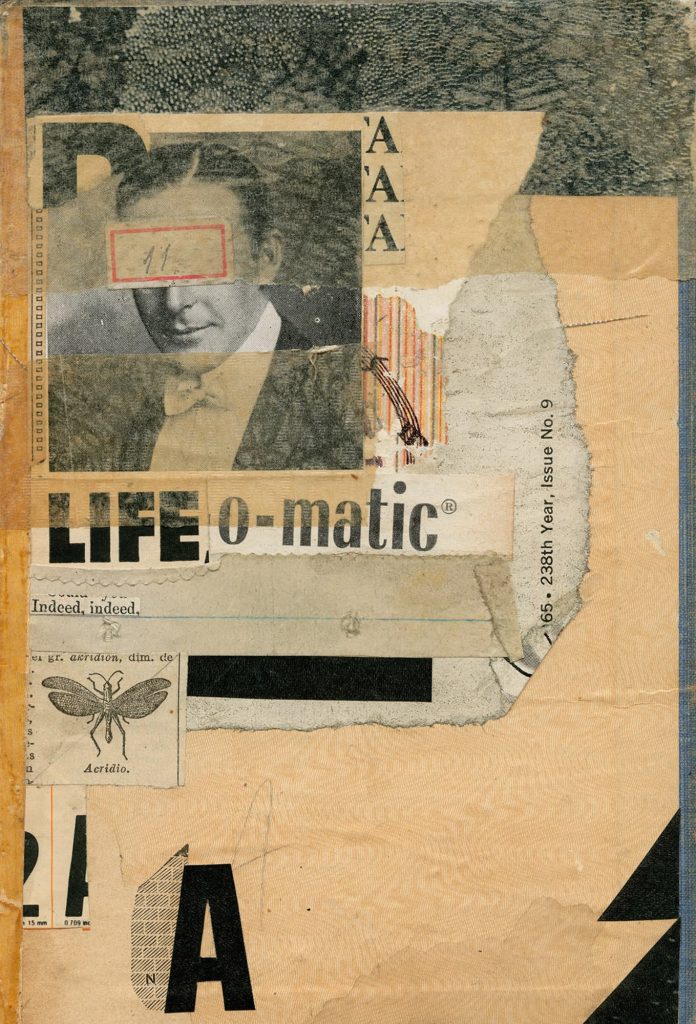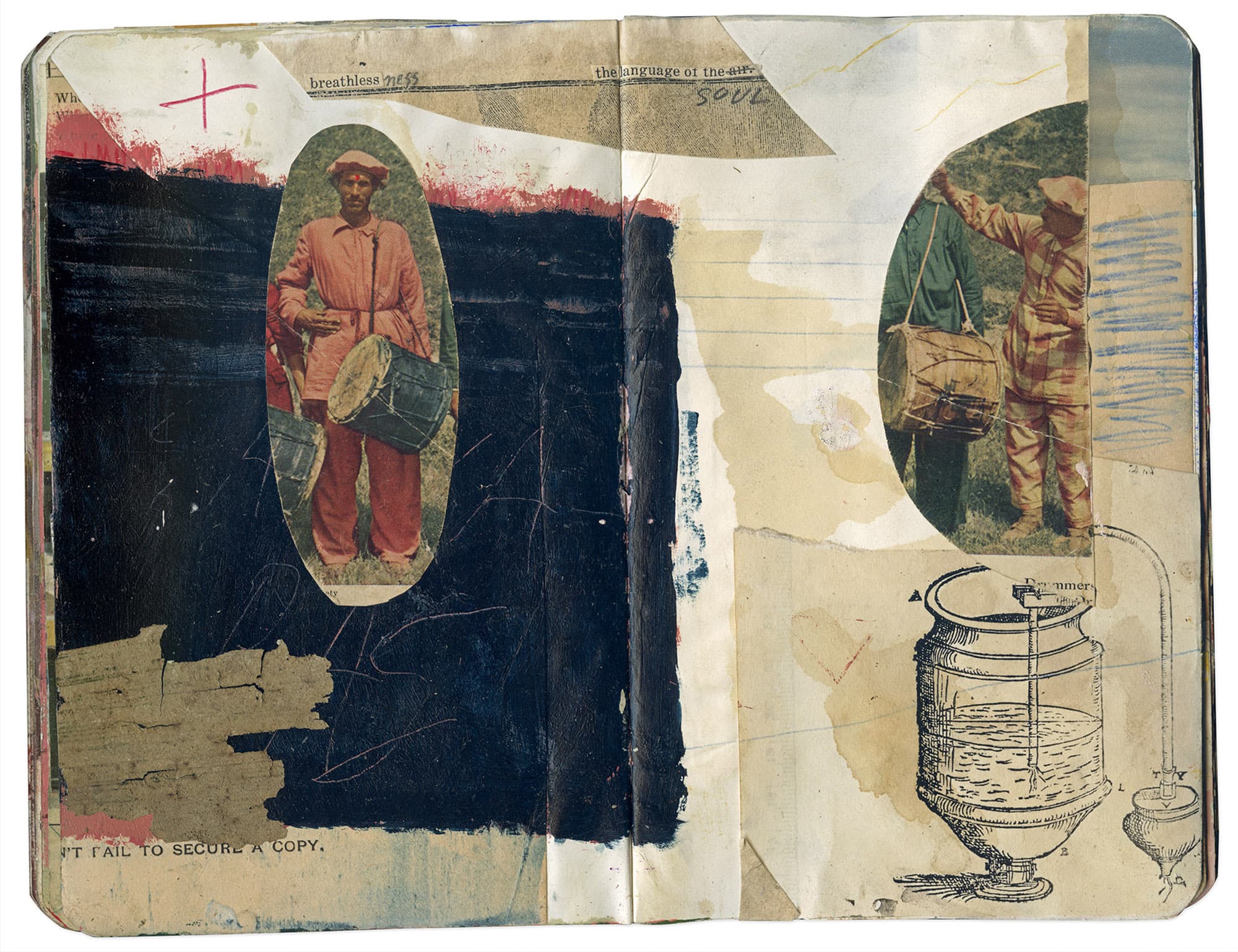
Eduardo Recife has been making collage work since the late 1990s, long before most of us knew collage could be a serious practice. His work with Misprinted Type showed a generation of artists what was possible with found imagery and careful restraint.
This is part of a series where artists write in their own words about what collecting means to them. Not interviews, not profiles, just direct access to how they think about the objects they gather, the ideas they chase, the obsessions that shape their work. Eduardo writes about collecting as delayed seeing, about building mental archives alongside physical ones, and about learning to recognize something valuable before knowing what it will become.
As a collage artist, it’s almost inevitable that we fall into the habit of collecting. I’ve always seen this process as a kind of delayed way of seeing. When I find something interesting, I can imagine that one day it might become something else. Not that I know what it will become. I collect because I don’t yet know what it is, but I sense there’s something there. Over time, we develop an “eye” for these image sources. Some are discarded, but others are kept, almost like future treasures.
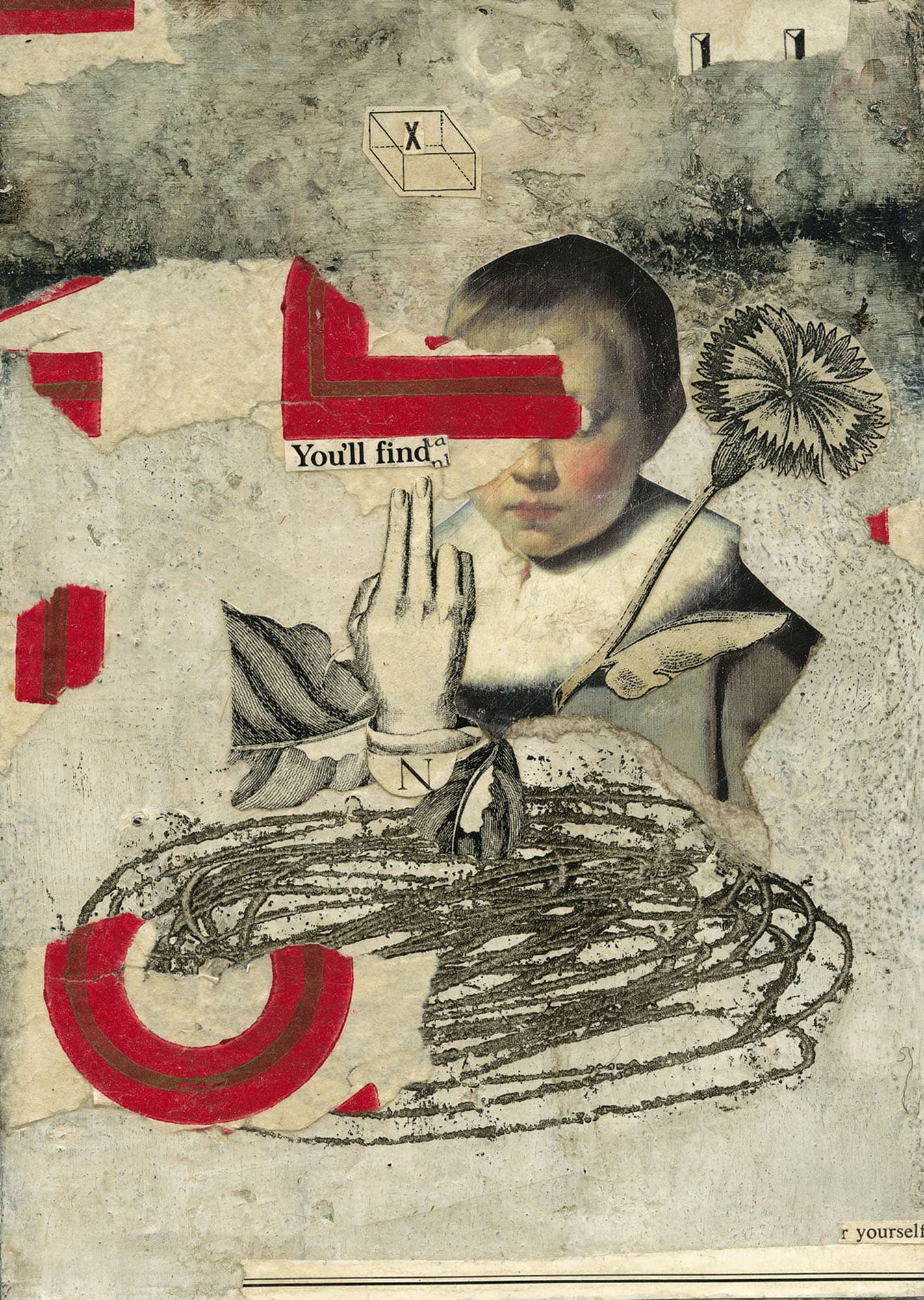
I began collecting vintage imagery back in 1997. In Brazil, unfortunately, there isn’t a strong tradition of valuing certain kinds of vintage material, magazines and graphic ephemera being prime examples. There are very few places called sebos, and only a handful of flea markets, usually with a limited selection. To make matters worse, the nicer places often wrap magazines in plastic, so you can’t even see what’s inside before buying, and prices tend to be quite high.
Because of that, most of my collage resources came from very meticulous research in small, second-hand bookshops with friendly owners. And believe it or not, a lot of the materials I used back then came from friends who knew I was into these things and would give me their grandparents’ magazine and photographic collections.
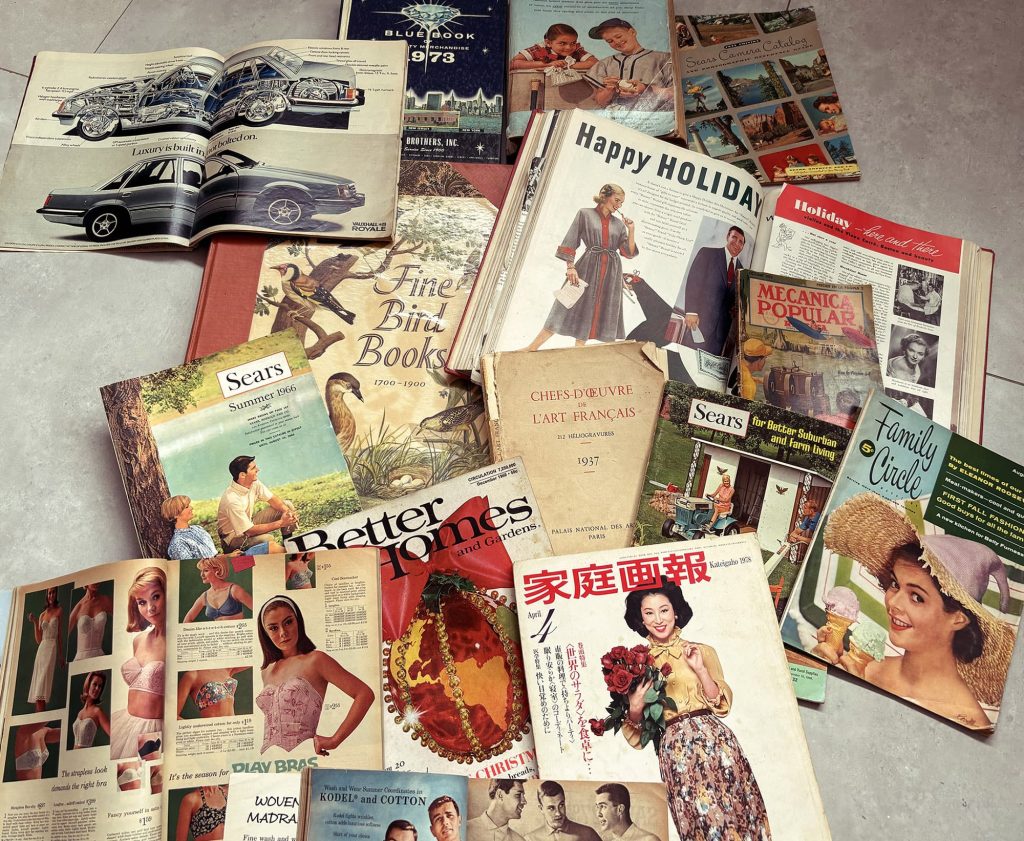
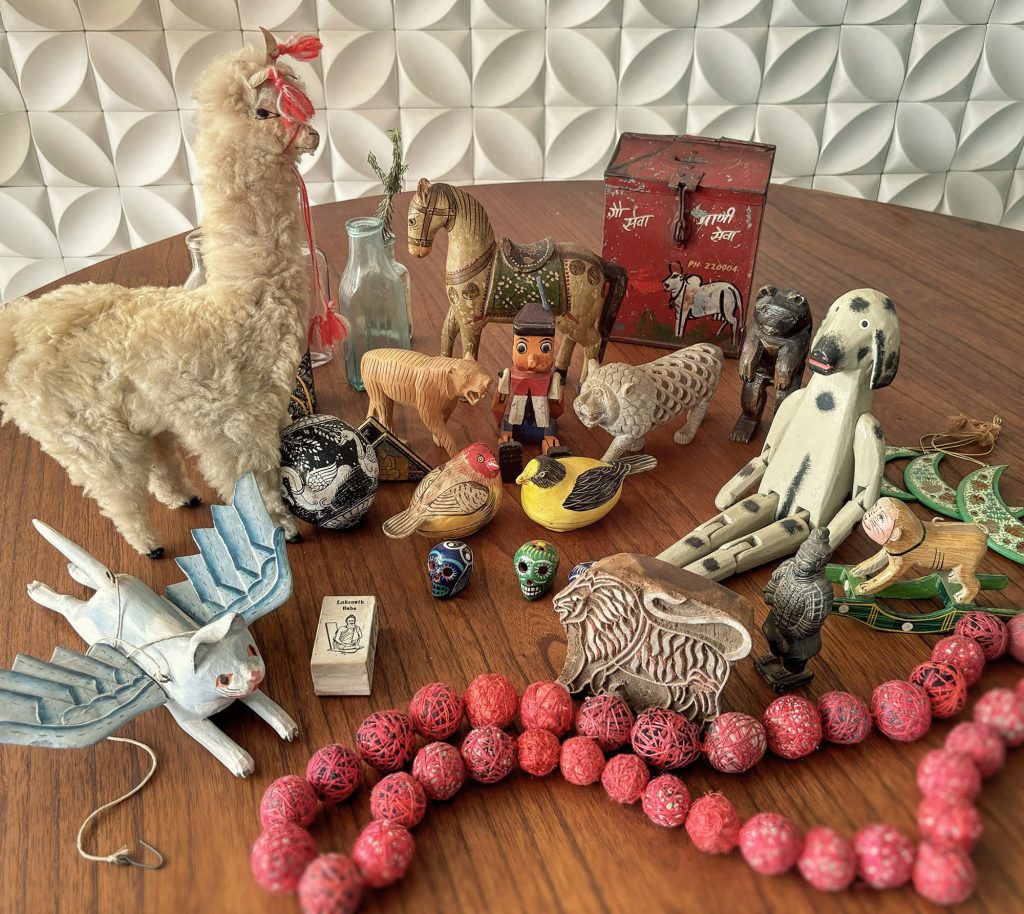
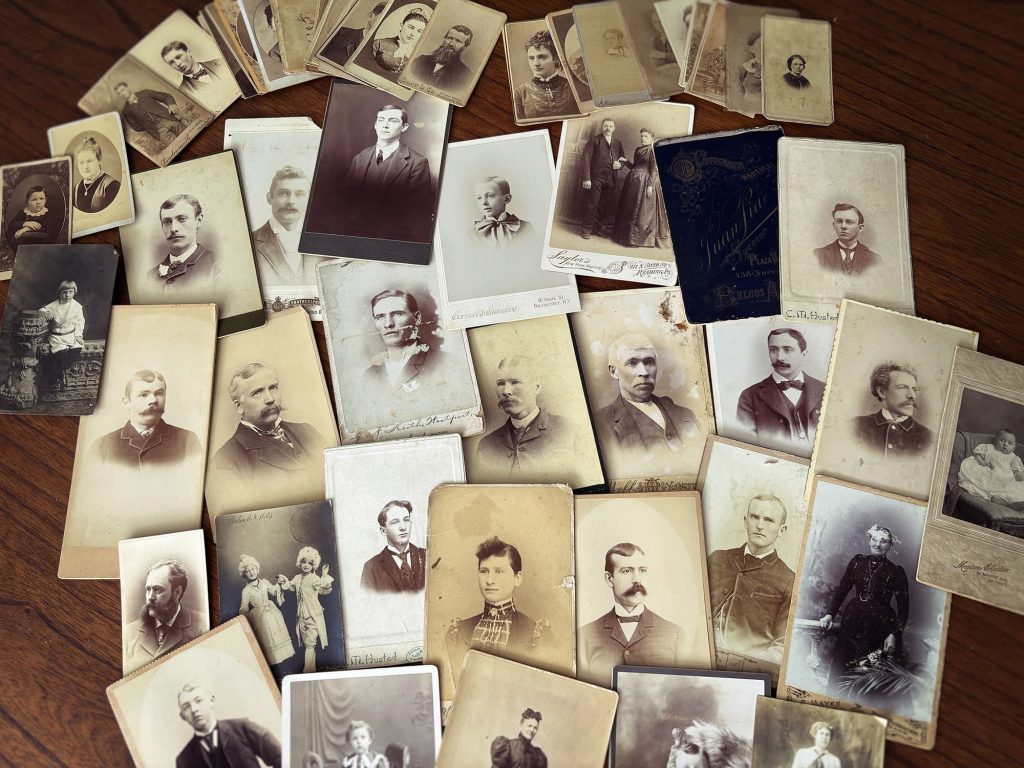
It wasn’t until I discovered eBay and started traveling abroad that I began collecting more seriously: vintage magazines, old books, posters, photographs (especially CDVs), encyclopedias, and so on. I still vividly remember visiting a huge flea market in San Francisco. It completely blew my mind. Unfortunately, I only had a few bucks in my pocket and very little space left in my luggage.
This appreciation for the vintage eventually expanded into antique objects, t-shirts, and ephemera in general. At the same time, I was careful not to become a hoarder. Most of what I bought had to hold some kind of value, either as future collage material or simply as something that could bring a bit of beauty into my home.
Another interesting aspect of collecting is that, in order to do it, you end up curating so many images that you start building a kind of “mental collection.” I truly believe this internal archive is just as valuable as the physical one. Ideas are born from accumulated experience, and carrying these visual references within us makes the creative process richer and more fluid.
Aside from collections directly connected to making my work, I’m not really a “collector”. Maybe books, but not obsessively. I think that if I weren’t an artist, I’d probably live a fairly minimalistic life.
Learn more about Eduardo on his website or Instagram