I’ve always been drawn to moments of collective emergence—those instances when small groups, often unaware of their own significance, open new pathways. The Cabaret Voltaire in 1916. The Situationists in Paris in the late 50’s. CBGB in 1976. These weren’t just physical spaces. They were sites of resistance, incubation chambers for new ways of thinking.
I often wonder: did they know? Did Tzara or Debord sense they were reshaping their fields? Probably not. They were working, hustling, arguing, responding to the conditions of their time.
David Byrne writes about this in How Music Works: the importance of “the scene.” He argues that creativity doesn’t happen in isolation but within networks of mutual support and shared urgency. Context matters. Community matters.
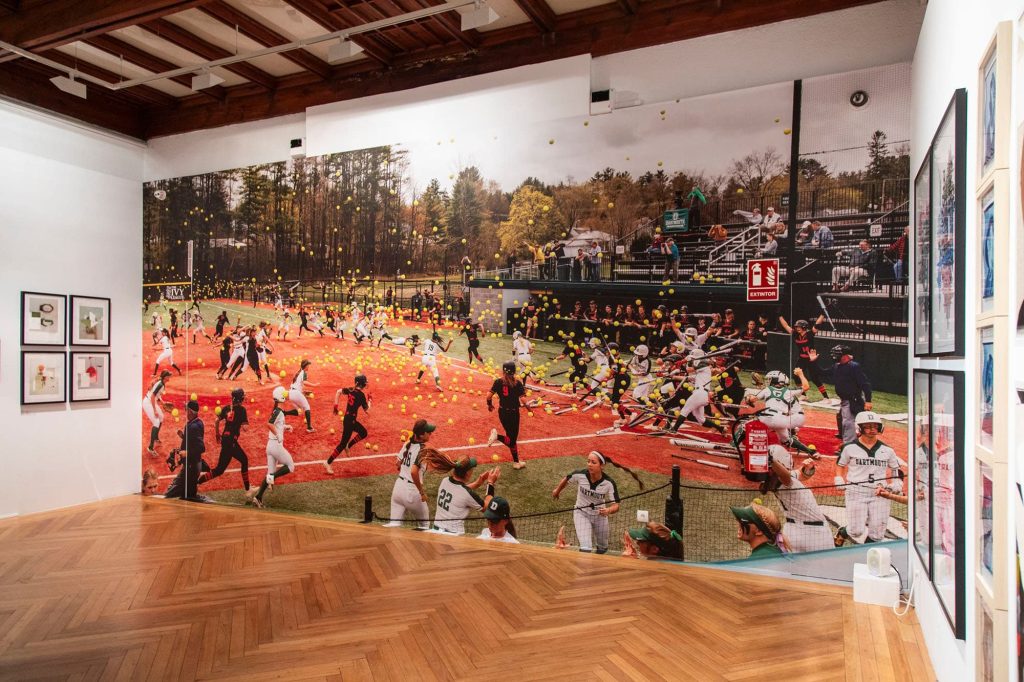
When I think about collage today, I notice something curious: I can’t seem to find a Cabaret Voltaire nowadays. The artists redefining the medium are scattered across continents, and they’re not even talking about collage. They’re just working with a collage mindset. David Henry Nobody Jr. does performance and video in New York. Álvaro Naddeo paints watercolors in California. Anthony White paints in Seattle. Ashkan Honarvarmakes sculptural works with toys in Norway. Pablo Serret de Ena makes films in Copenhagen. They don’t gather in a single café or share a rehearsal space. Yet they share something: a sensibility, a way of working.
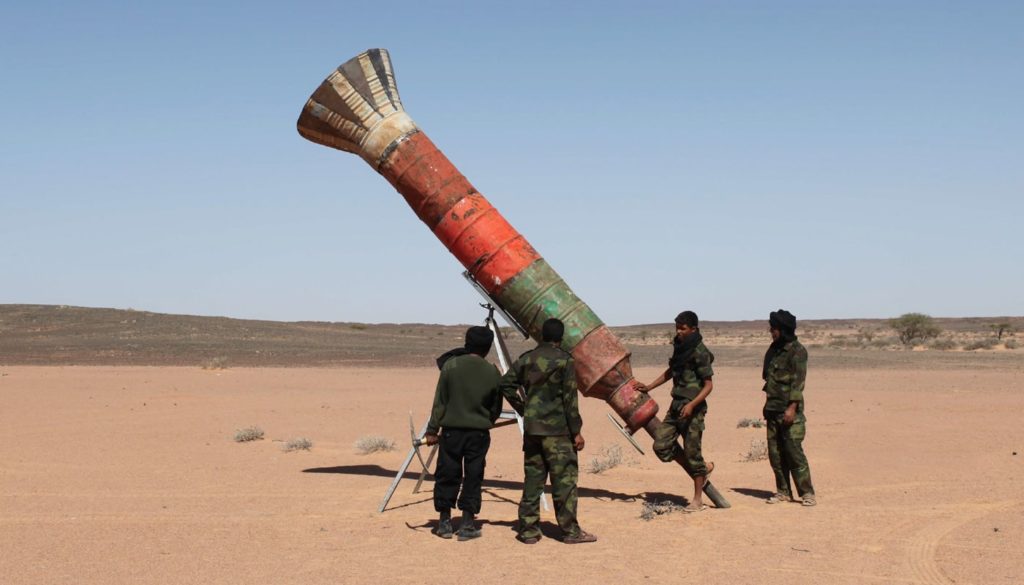
I call it “collage mode.” Appropriation and recontextualization. Taking things and making them mean something new. It’s a way of processing reality, not a technique you learn from a manual.
This isn’t new, of course. Hannah Höch was doing political photomontage a century ago. The appropriation artists of the 1980s—Levine, Prince, Kruger—questioned authorship and originality. Nicolas Bourriaud theorized “postproduction” in the early 2000s, recognizing that artists increasingly work with pre-existing cultural material. Collage as a conceptual strategy has been expanding beyond paper and glue for decades.
So what distinguishes this moment?
The context has changed. We live in unprecedented visual and cultural saturation. Digital globalization has exponentially multiplied available sources and dissolved boundaries between high and low culture, local and global. Today’s artists don’t just recontextualize images. They recontextualize memes, consumer objects, film fragments, toys, algorithms, screenshots. Artists are remixing our daily life. The raw material is all of contemporary culture in real time.

There’s also a paradox: connection through dispersion. Earlier movements required physical proximity. Paris for the Surrealists, New York for Abstract Expressionism, London for Pop. This generation works within an invisible network. Instagram, digital conversations, shared sensibilities that transcend borders. Brooklyn may have remarkable concentration, but the scene is no longer limited to a neighborhood or city. It’s global and decentralized.
And perhaps most important: the need to name this dispersed constellation to make it visible. “Collage” today is so broad that it means nothing specific. A three-year-old makes collage. Picasso and Braque invented Cubist collage. Scrapbooking is collage. As Todd Bartel said, since the Big Bang, everything is collage. This breadth is both a strength and a weakness. We need to draw new boundaries.
When people outside the art world ask what The Weird Show does, I always start with collage, but quickly have to recalibrate: it’s not traditional collage. What we investigate is different. Collage as a way of processing reality. A way of thinking and creating that crosses media: Anthony White’s paintings, David Henry Nobody Jr.’s performances, Ashkan Honarvar’s sculptures, Pablo Serret de Ena’s films. All working with collage’s fundamental principles but responding to our specific conditions. It’s The New Wave of Collage, I say, and people nod affirmatively.
The New Wave of Collage doesn’t reject tradition. It recognizes and expands it. It doesn’t claim to create something from nothing—we know that’s impossible. Rather, it makes visible and names a network of practices that already exists but remains invisible due to a lack of a common framework. It’s a way of mapping where we previously saw only scattered points.
The name is playful. Also presumptuous. But above all, it’s a tool: a way of creating the symbolic space that historical avant-gardes had in their cafés and nightclubs. Without physical space, The Weird Show has spent 15 years building a virtual space for research and dialogue. A place where these dispersed artists can recognize themselves as part of something larger, where we can think together about what it means to make collage today.
The name might be a micro-manifesto. It might just be a way to begin a necessary conversation. Or with luck, it’s the first step so that someday we can look back and understand how it all began: with a name that seemed like a provocation and became something more.