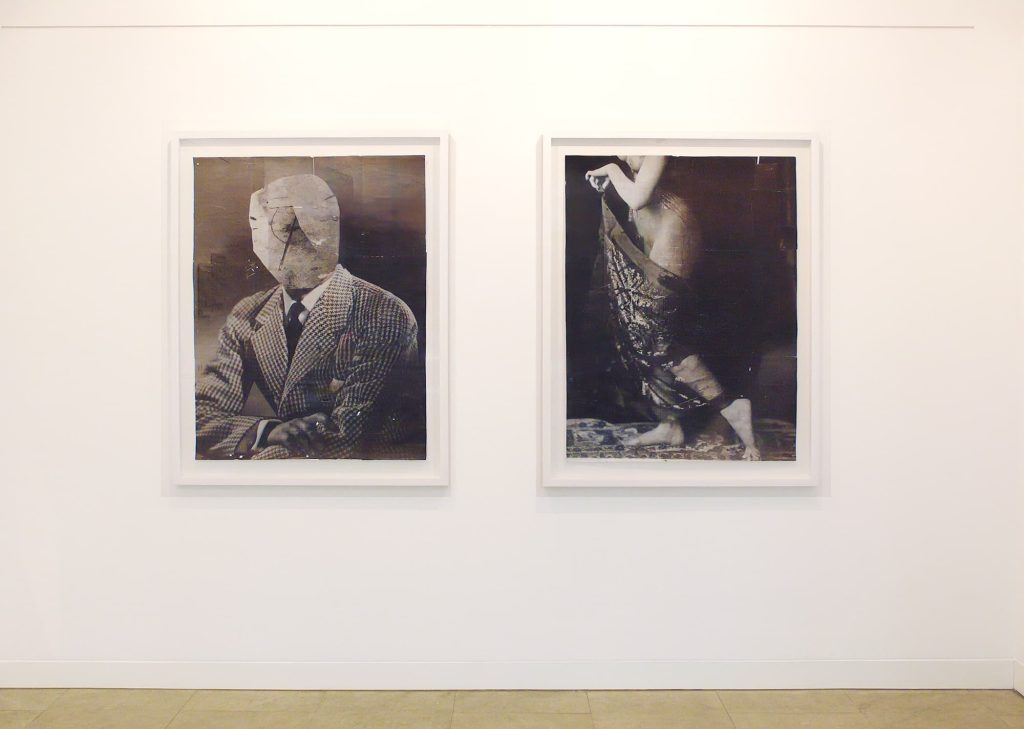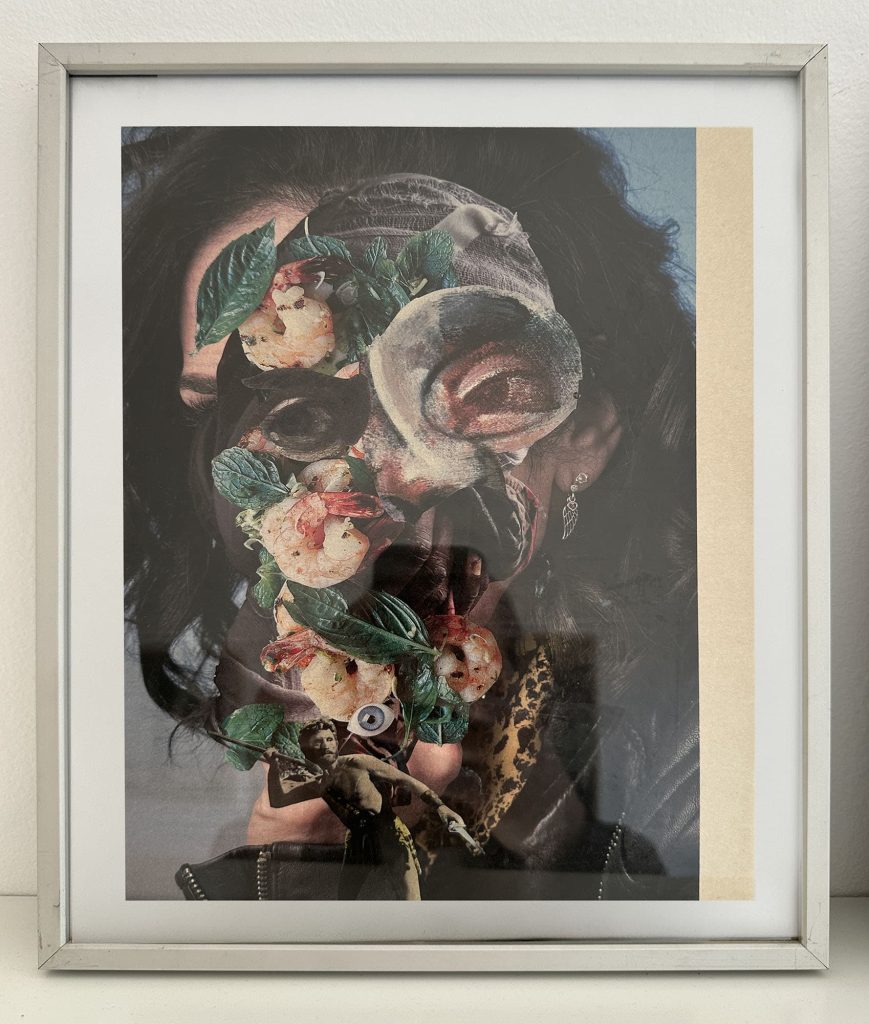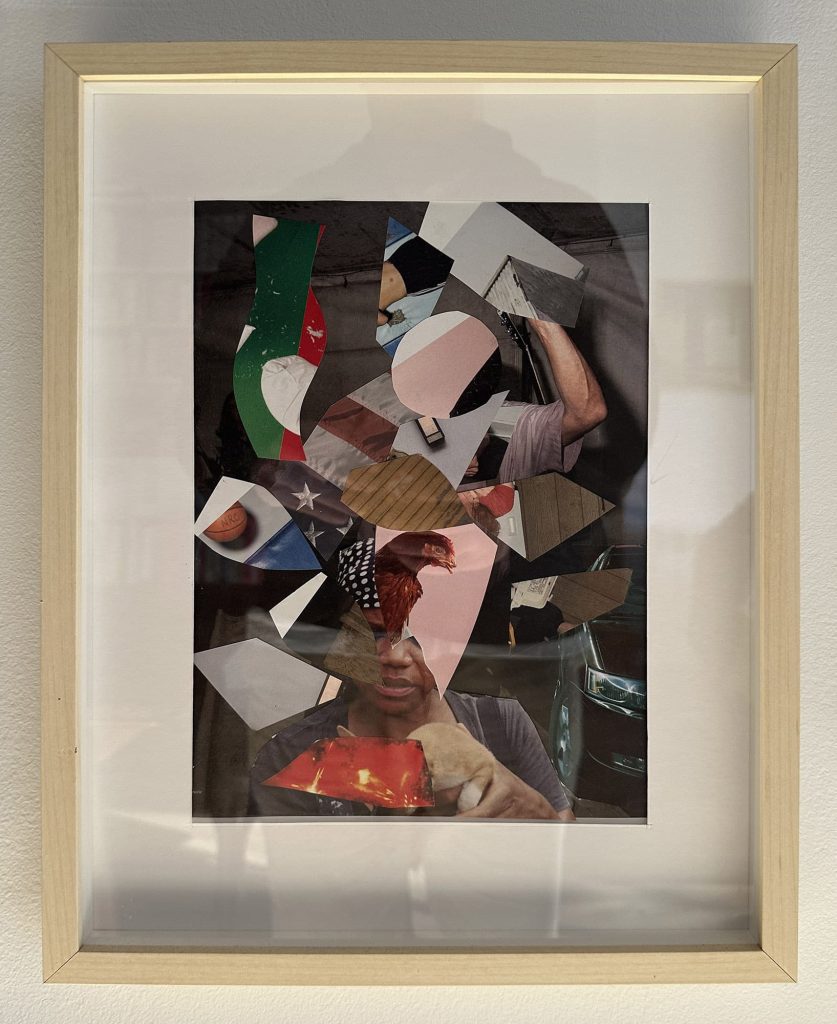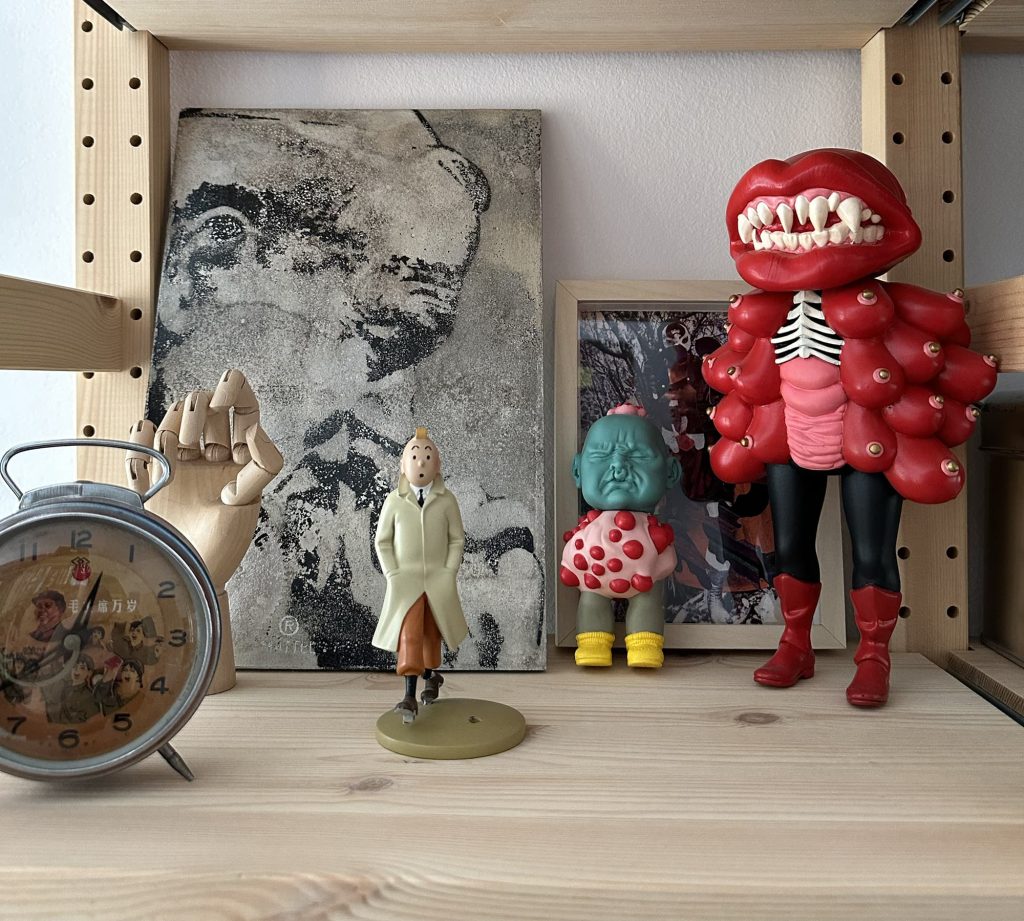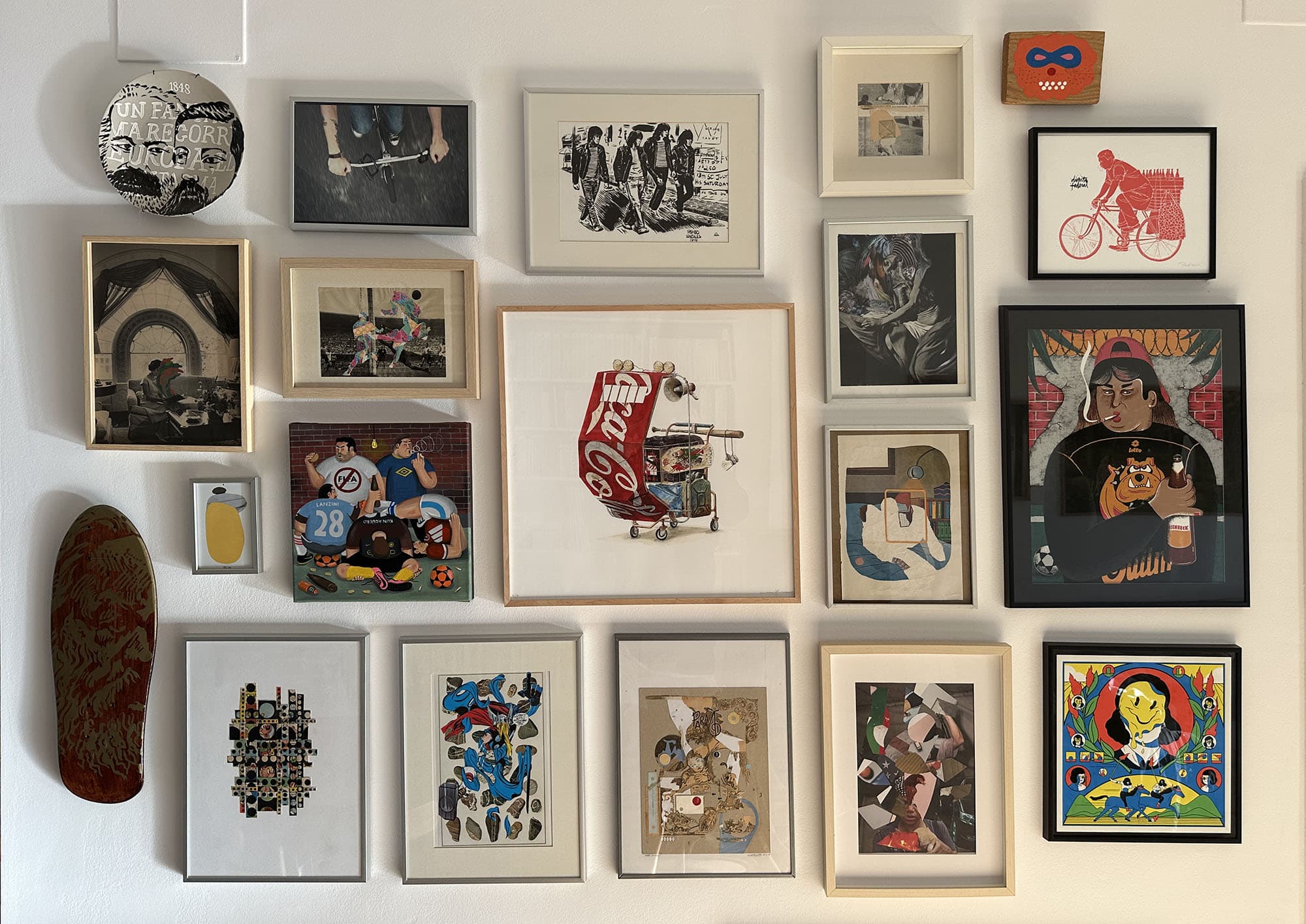
This year we opened a gallery and for the first time stopped to think about what collecting actually means. We found that it’s deeply personal—everyone approaches it differently. Collecting isn’t just buying art. It’s a way to define who we are, support what we believe in, and organize our passions into something tangible. This is the first in a series where artists talk in their own words about what collecting means to them. Max starts us off.
1. Just a Kid
I have to be honest and say that since I was a kid I always loved things. Material things. Things that I could own, possess and cherish. My spiritual self was not very present as a kid. I wanted and collected things. The more the merrier most of the time.
The first collection I can recall was stickers. I’d kill for stickers. I worshipped any brand that gave out adhesive paper with anything printed on it. Petrol companies, cars, tires, hotels, dog food. Anything. To be honest, I stuck very few of them and the rest eventually melted or, worse, soon became a silly thing from the past.
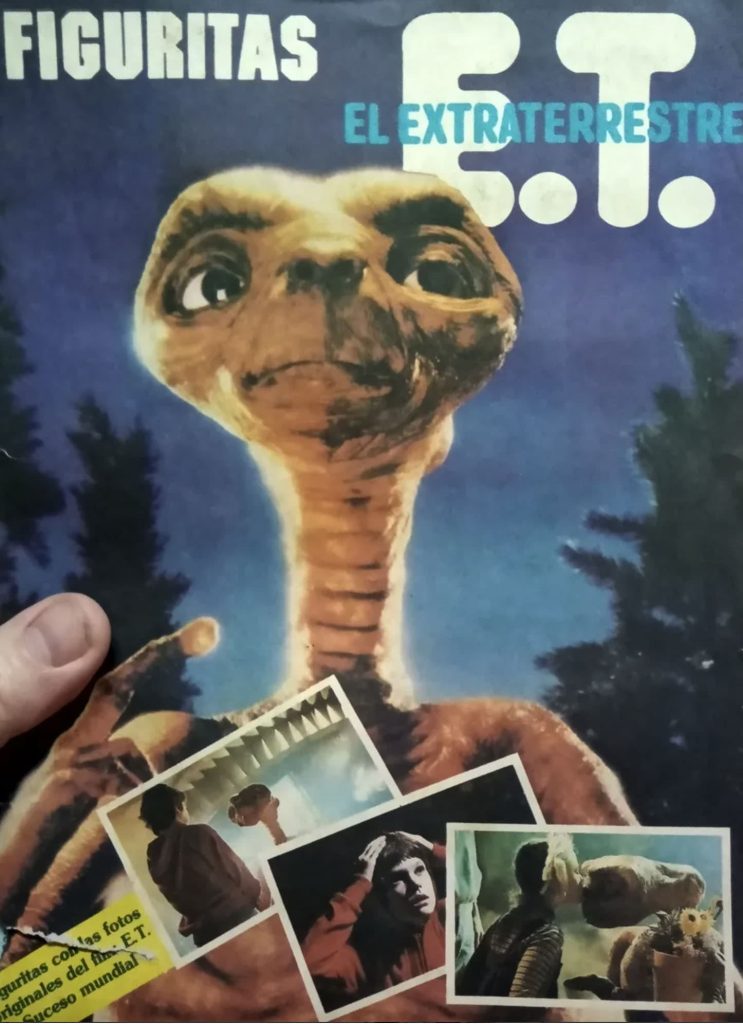
My next obsession was trading cards. The first collection that I really excelled at was the one with stills from Steven Spielberg’s feature film E.T. A friend and I joined forces to become a local trading card powerhouse and soon owned the largest E.T. card collection in school (not sure about that, but never mind let’s not kill a great story with the actual truth). And, worse than stickers melting under the sun, was that one afternoon I forgot the box with all the cards at school and they vanished forever. I felt miserable –and my partner wanted to kill me. After that, I was done in the trading cards business and in the collecting business overall. Collecting things just to own them was too demanding and was never enough. Even though I was just a kid, I lost interest in that.
2. Zinester
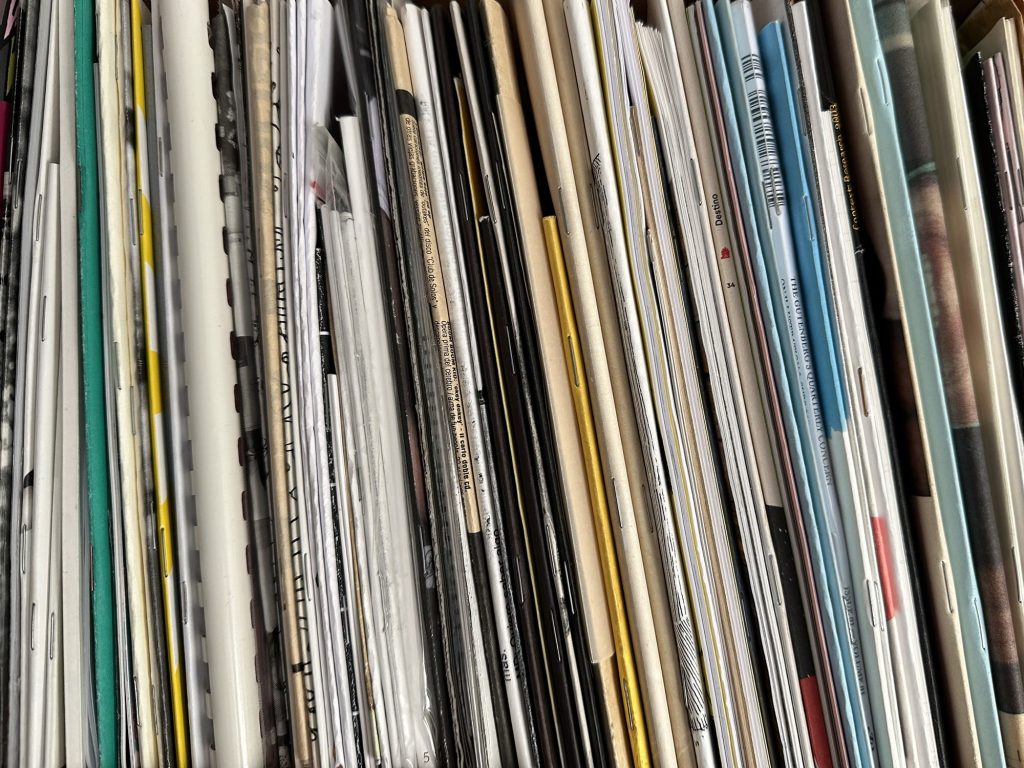
Only about ten years later, I began collecting something again. This time it was fanzines. But it wasn’t collecting really. It was getting my hands on every zine I could find. I made fanzines so I wanted to learn about them and see what other people were up to. I focused on certain kinds of fanzines (literary, punk, visual arts) and started understanding that collecting was also curating. And in my case, producing zines and collecting them was also, and more importantly, a way of connecting with like-minded people and being part of a scene. Creating, sharing and collecting zines made me feel part of something bigger than myself and allowed me to participate in something I was deeply interested in. It was no longer the sense of owning something material, but the idea of belonging that fed my collector spirit.
Fanzines also connected me in an unexpected way with visual art. I attended university for a Communications degree. I was headed to be a journalist, an academic or something else entirely –I was clueless, to be honest. But through fanzines I started designing and later making collage (proto-collage at its most). And in the process of finding out what I wanted to do with my life and learning new skills and tools to make the stuff that I enjoyed the most (zines, artworks, designs, music, etc.) I started working on various projects that helped me find my way in the world, meet people and learn things that allowed me to move forward.
My fanzine collecting phase went on for at least a decade –and when I got to Barcelona I soon donated most of my collection to a fanzine public library project called La Fanzinoteca. Doing so I got to know really cool people who later became great friends and partners in other projects.
This was a turning point from my early childhood collecting idea. Now, far from having that need to possess no matter what, I knew that letting go was an important part of my new understanding of collecting. What zines stood for and how they had been instrumental in so many ways for my personal development allowed me to see these objects as potential agents of change for somebody else. Giving them away was the best way to keep them alive and making them meaningful to other people as they had been to me.
3. Visual arts
At that same time, I started taking visual arts and collage more seriously. I was already making collages in a more conscious way and, again, as a way to learn and become part of a scene (in a pre-social media era) I got in touch with people, found projects to work on and tried to be as active as possible in finding (and later creating) a network of creative minds around my interests. All those friends, exhibitions, publications, projects and random events made me start collecting again: this time it was art. I wasn’t wealthy, but I had some resources, so I bought what my budget allowed and also slowly started trading with other artist friends.
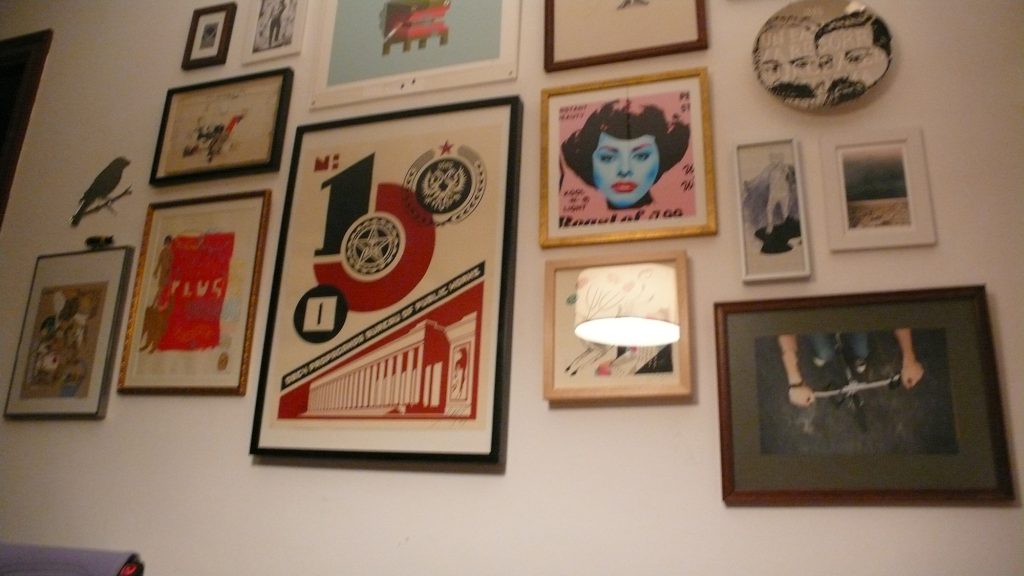
Some of the pieces I got in the early 2000’s were an Alan Kitching anti-Iraq War poster and a couple of his very small block-type printings from a show he had in Barcelona. I also bought (for very little money) a Shepard Fairey Obey screen print from a show at a tiny but extremely cool gallery in Barcelona. Gary Baseman had an exhibition here too and I could only afford a screen print announcing one of his California shows. This is how my collection started. With limited money, but chasing what I loved and trying to connect with a bigger cultural moment mostly through printed paper.
Around 2007, I started both exhibiting as an artist and producing exhibitions. It was at that time that I started growing my collection by trading work with other artists. My friend Rubén B. gave me one of the collages he exhibited in a show we had in Barcelona and I gave him a piece that I showed there too. Cless, another artist I knew at that time, offered me the collage he made for the Latex for Fun project I curated in 2007, as a token of gratitude for the work I had put into that project. The Dutch duo Sauerkids also gave me some beautiful prints of their work when they came to Barcelona for the opening of that same exhibition. These were not only incredible artworks. They were part of personal experiences that transcended the object itself. The collection kept slowly growing and it became not a measure of wealth, but a documentation of the projects and people I was meeting.
4. The Weird Show and Collage
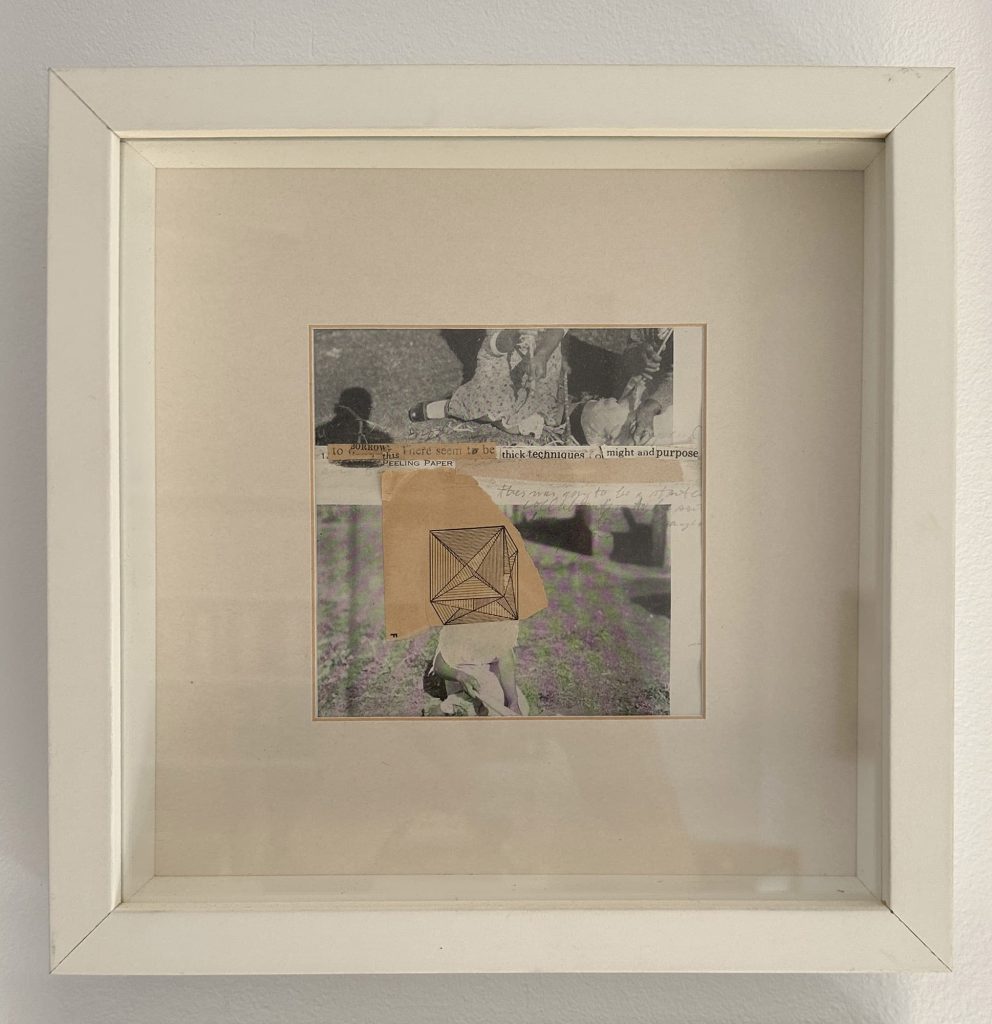
When in 2010 Rubén B and I started working on The Weird Show, my art collecting shifted to what became my main interest: collage. At that time I started understanding the differences between curating and collecting. While curating focuses on finding links to gather temporarily a series of artworks for an exhibition, collecting has a more personal weight. For me, it’s about finding deep and personal reasons to add a new element to a group of artworks that are meant to stay together permanently –not bonded by a conceptual or visual theme, but by a personal mark left by the artist in my life. This doesn’t mean I only collect work from artist friends, but I try to collect from artists who have influenced me in some way and are part (visible or hidden) of my own story.
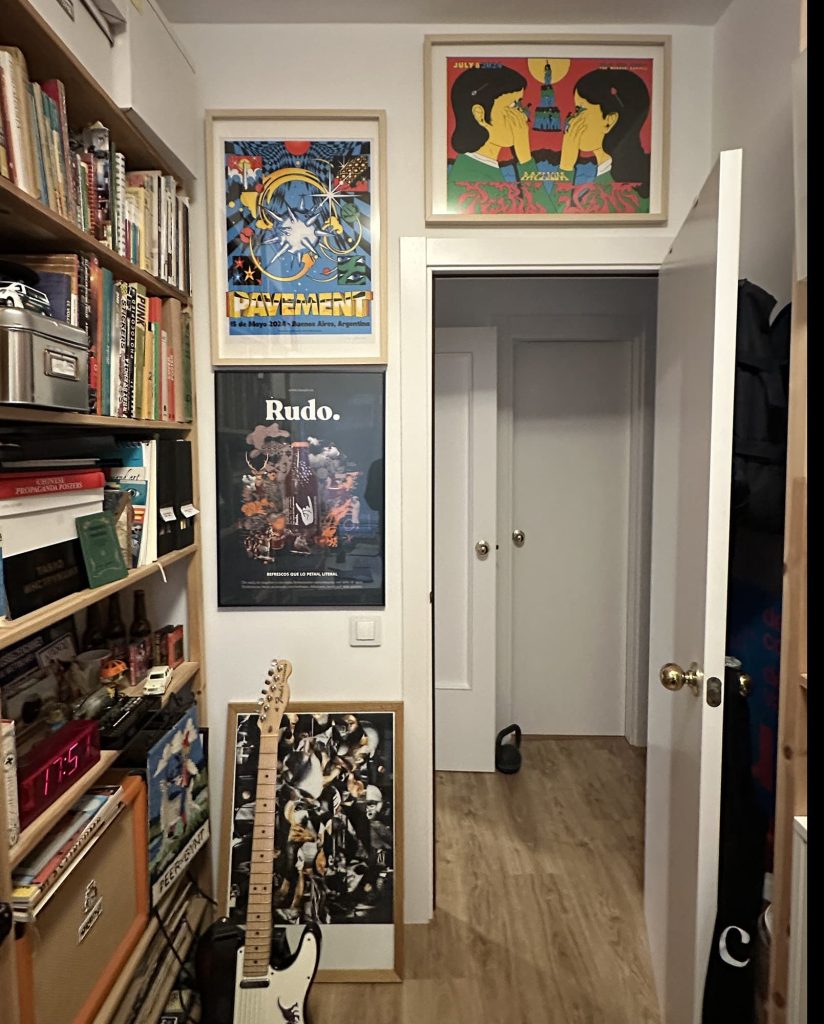
Over the years, the exhibitions we curated and the conversations we had with artists led to more collages entering my collection. But I also kept purchasing work when something connected with a specific moment in my life. When Martín Kazanietz (aka Gordo Pelota) had a show in Barcelona, I contacted him and bought a very small painting –I not only have one of his pieces, but also got to briefly meet him. After interviewing Álvaro Naddeo for The Weird Show’s podcast, I bought a print of his work as a way to remember that great conversation. Mark Wagner, also after an amazing podcast interview I did with him sent me an envelope full of zines, posters and currency related magic. Cristina Daura illustrated a Pearl Jam gig poster and I went to that show with a very good friend, so I had to get it. For my 50th birthday, I bought a Marcelo Cannevari print of tigers and ghosts –I’m kind of obsessed with ghosts. I later named the first Weird Show Gallery exhibition making reference to that piece. Most of what I can afford are prints or smaller works – I don’t have large walls to hang giant canvases or room to store sculptures or installations at home. Richard Serra has no place in regular people’s lives, I guess. That’s another reason I like collage: it fits real living conditions. I still haven’t got enough money to buy expensive art, but that doesn’t affect my will to keep making the collection slowly grow.
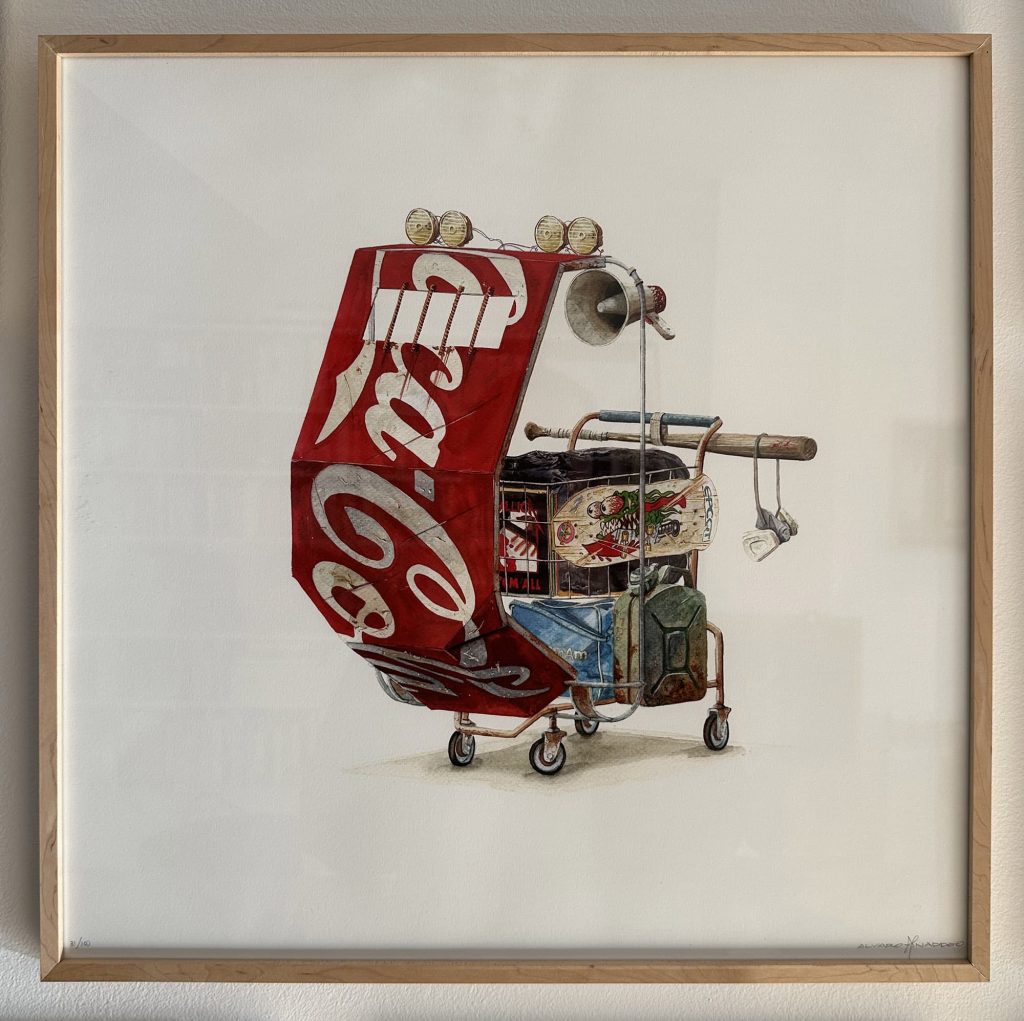
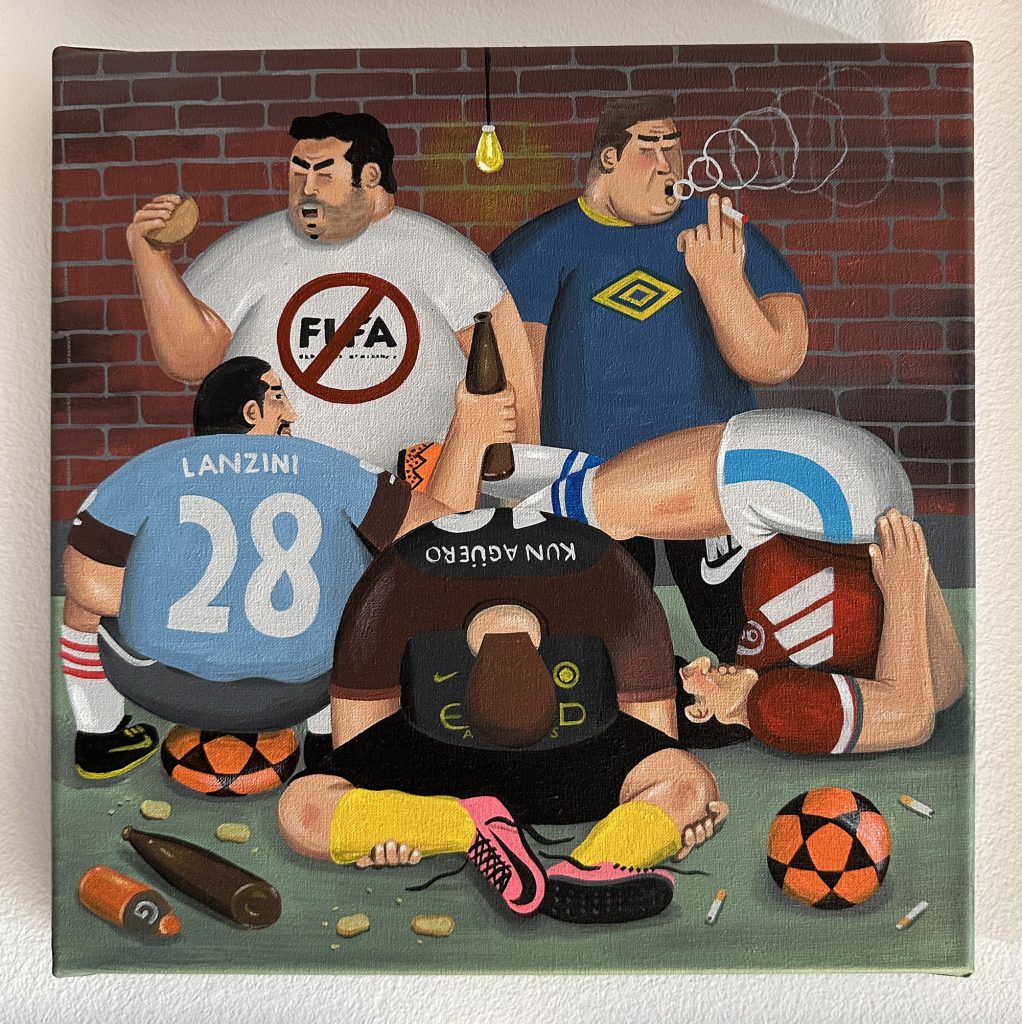
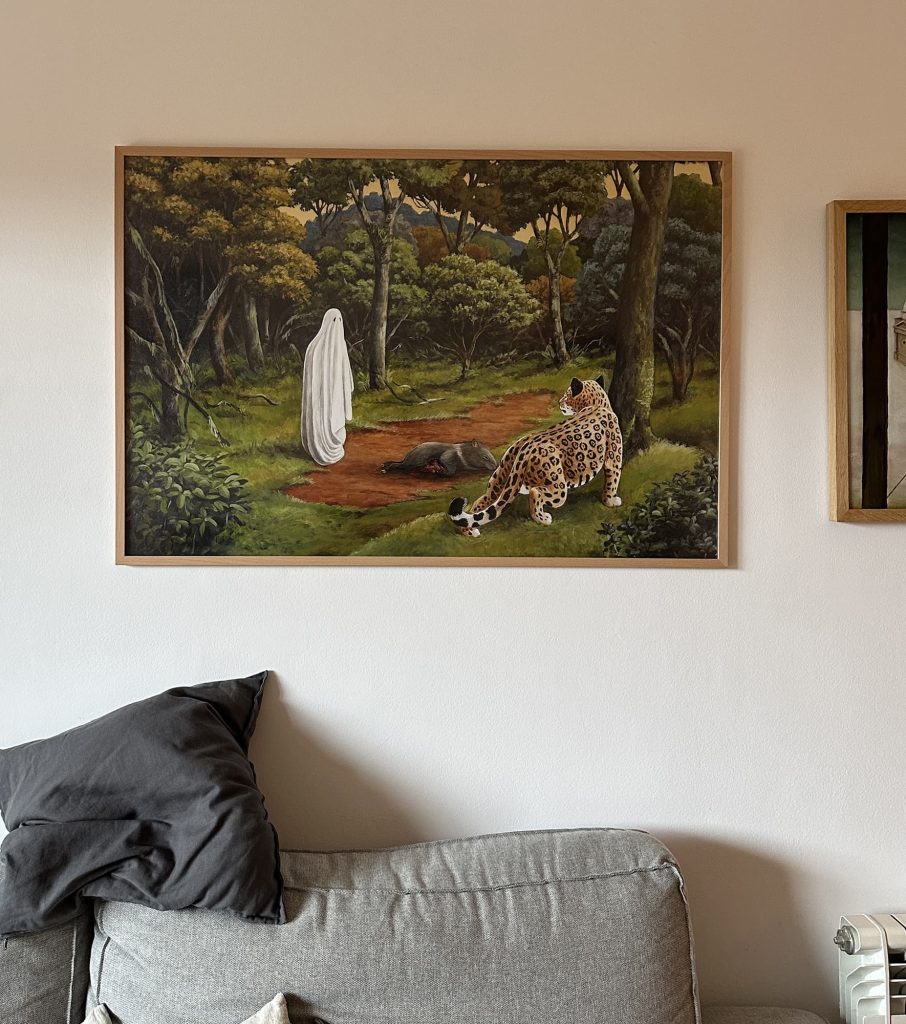
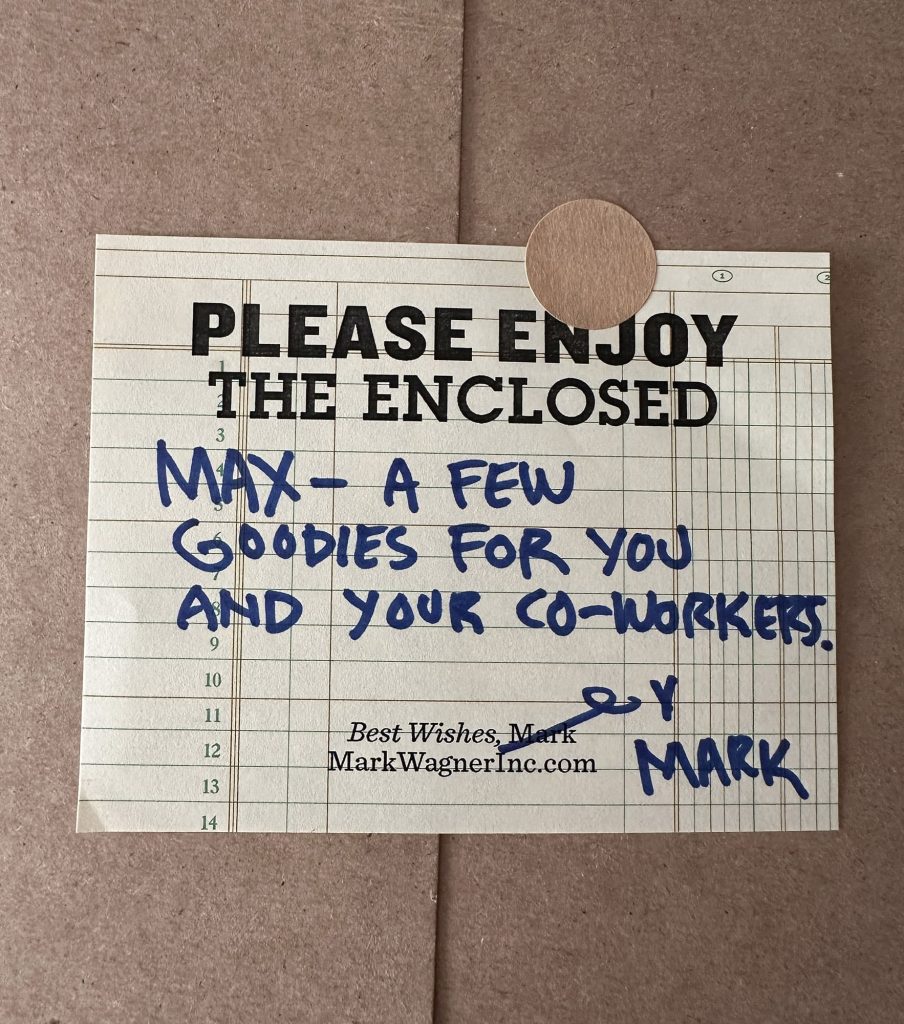
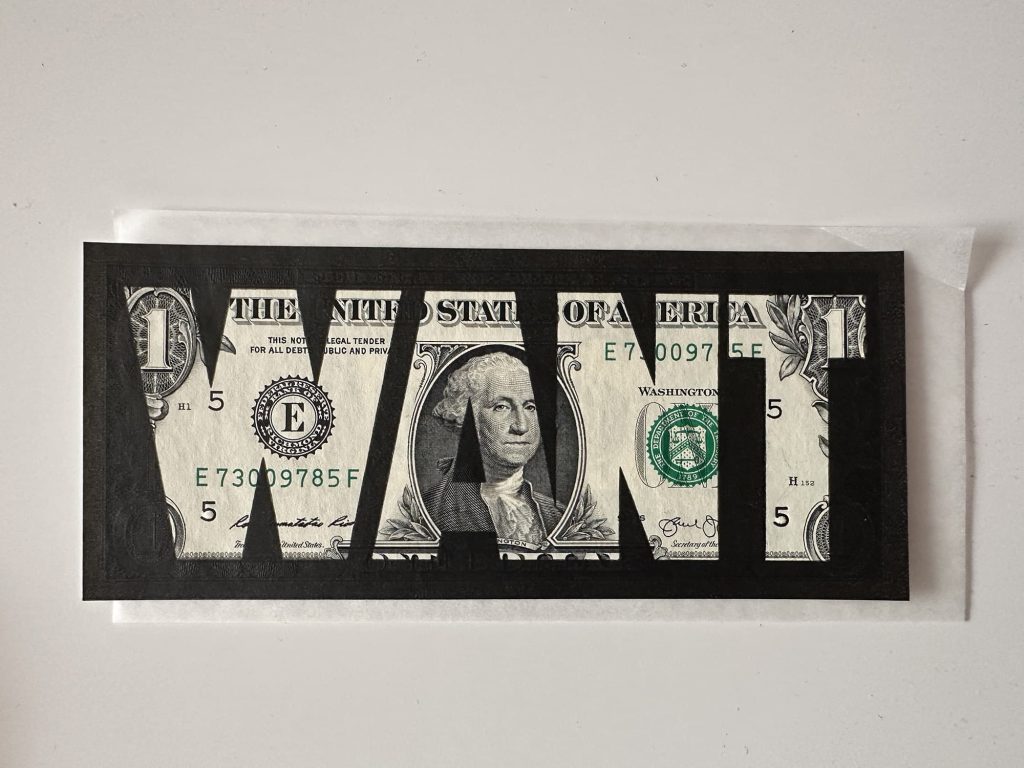
Each one of the pieces I’ve got is not only a great work of art, but also a mark of a moment where an artist and I exchanged something meaningful, whether gratitude, admiration, or simply a shared moment.
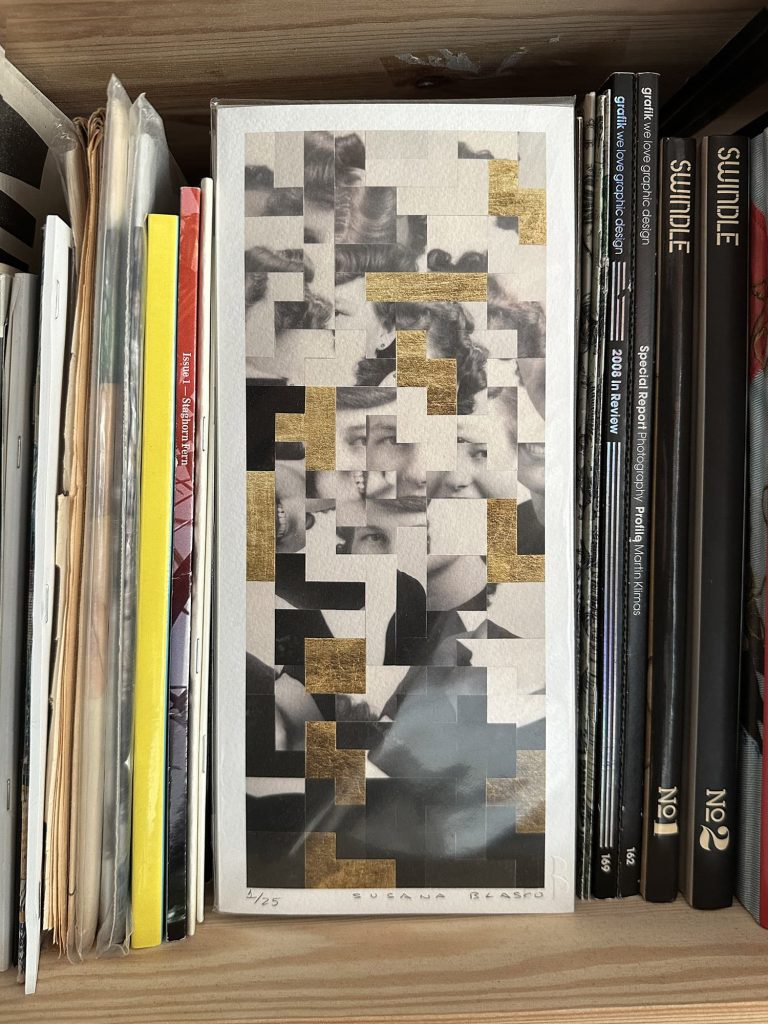
One of the most memorable exchanges I had was with artist Tamar Cohen. I sent her en envelope with an original collage and some extra goodies that I had. But what she sent was really something different –I’m still in awe when I remember the package she sent. It included one of her beautiful woven collages, some color test pages that I absolutely adore, and the wrapping paper itself was screen printed by her. The package was full of small things and surprises that I kept going back to for a long time. She didn’t send me an artwork –she sent me some sort of 3D puzzle of herself, a layered portrait made of objects, colors, and gestures that spoke about who she was as an artist and a person.
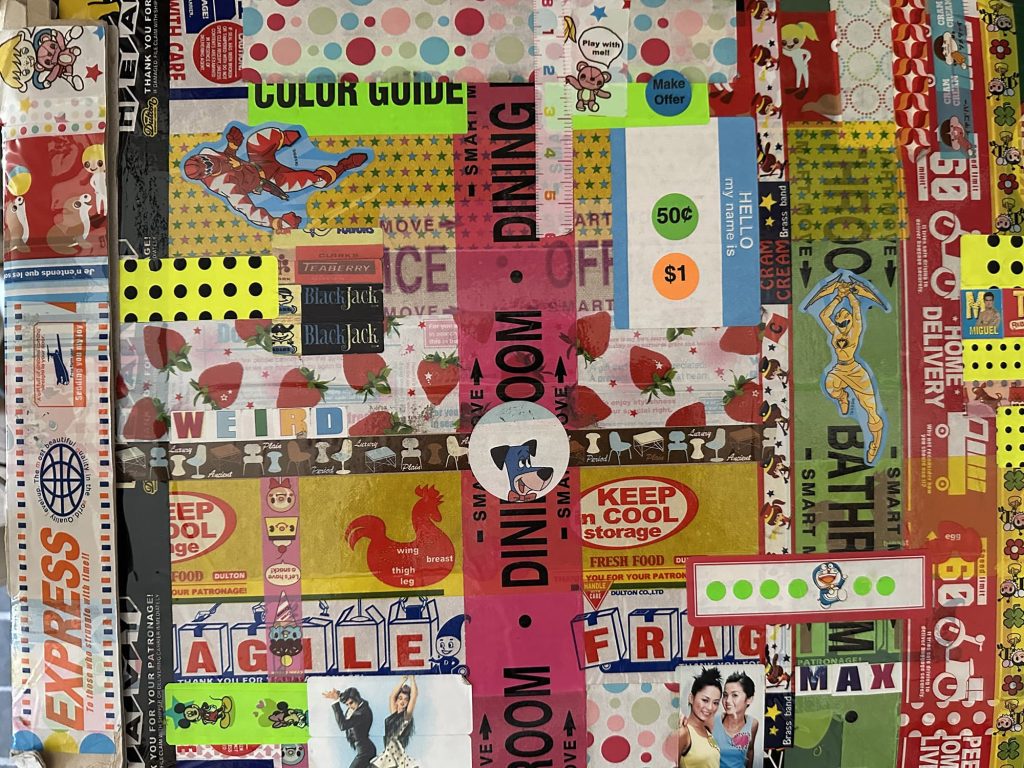
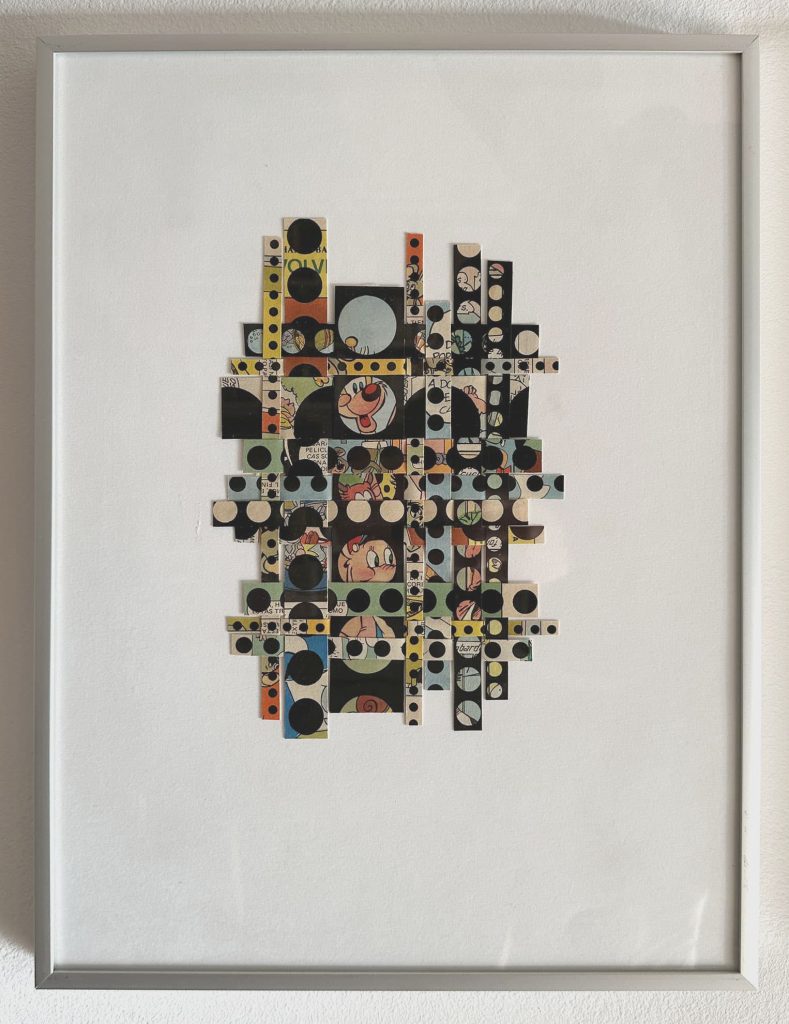
Charles Wilkin swapped me a piece he made with a book we bought together in Barcelona when he came for the International Weird Collage Show in 2015. Ashkan Honarvar swapped me a piece right after the show we curated together in Trondheim, Norway. Dennis Busch sent me a beautiful piece as a thank you for writing the intro to his Visual Tourette book. My collection also includes work from Eduardo Recife, André Bergamin, Pablo Serret, Fred Free, and many others. Each one of these pieces is a piece of my history –and that’s the main value they hold.
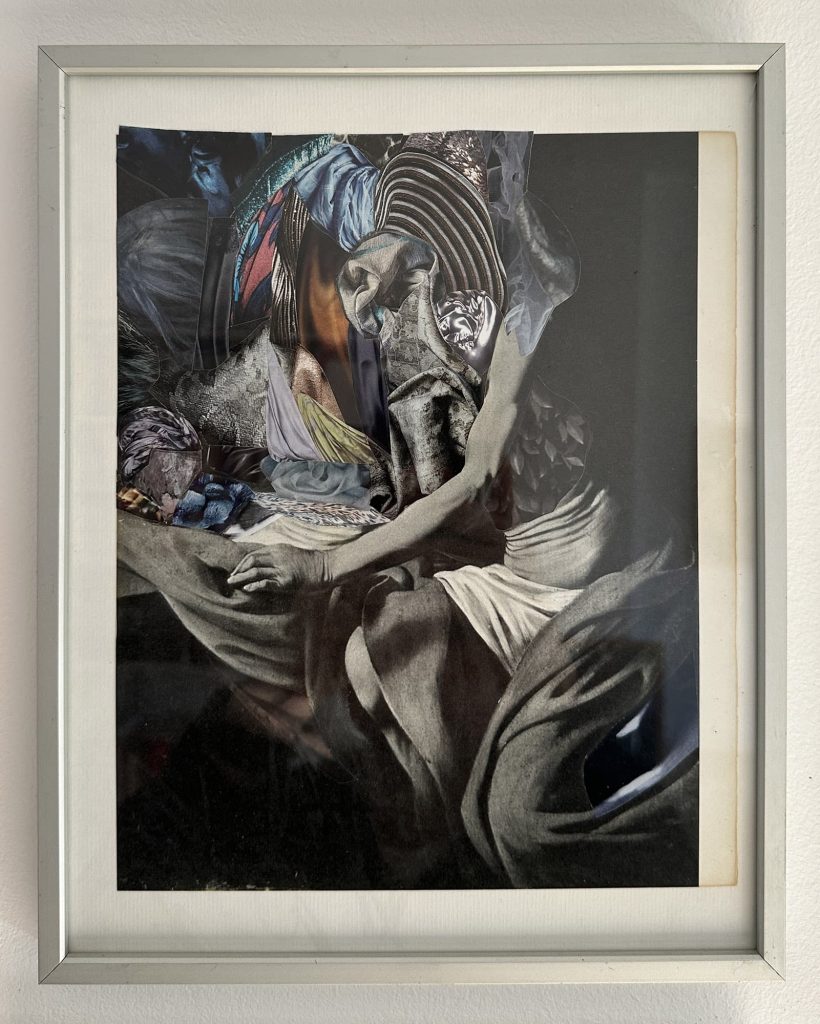
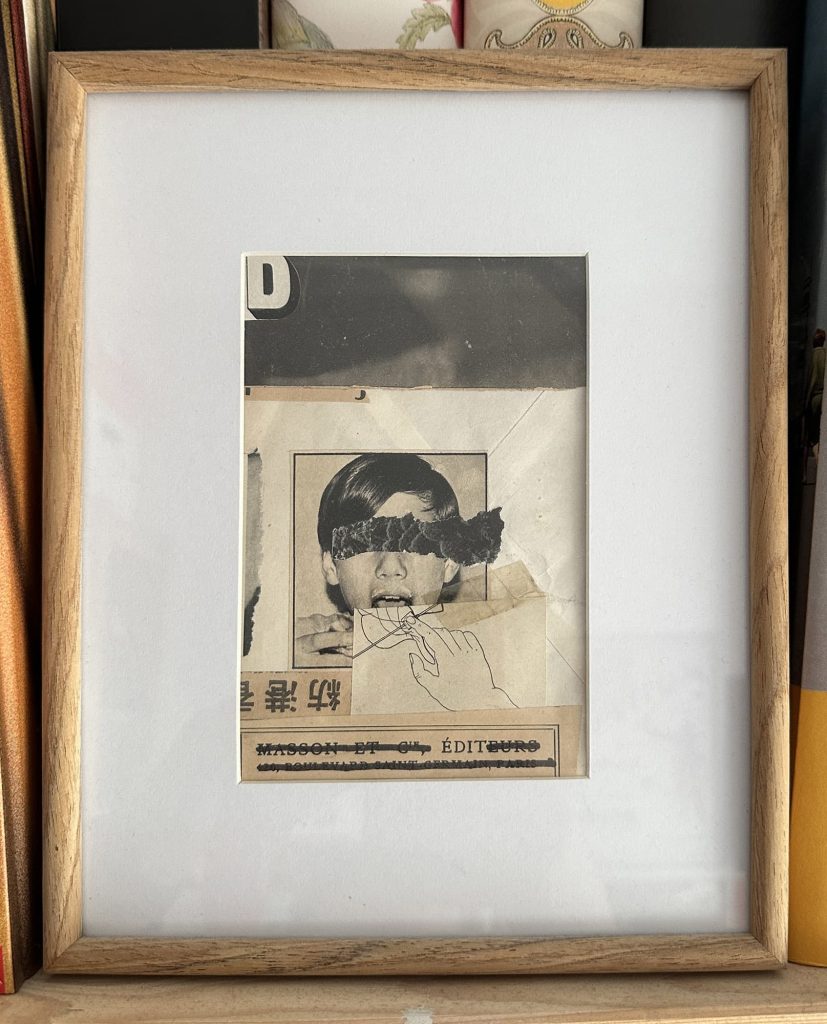
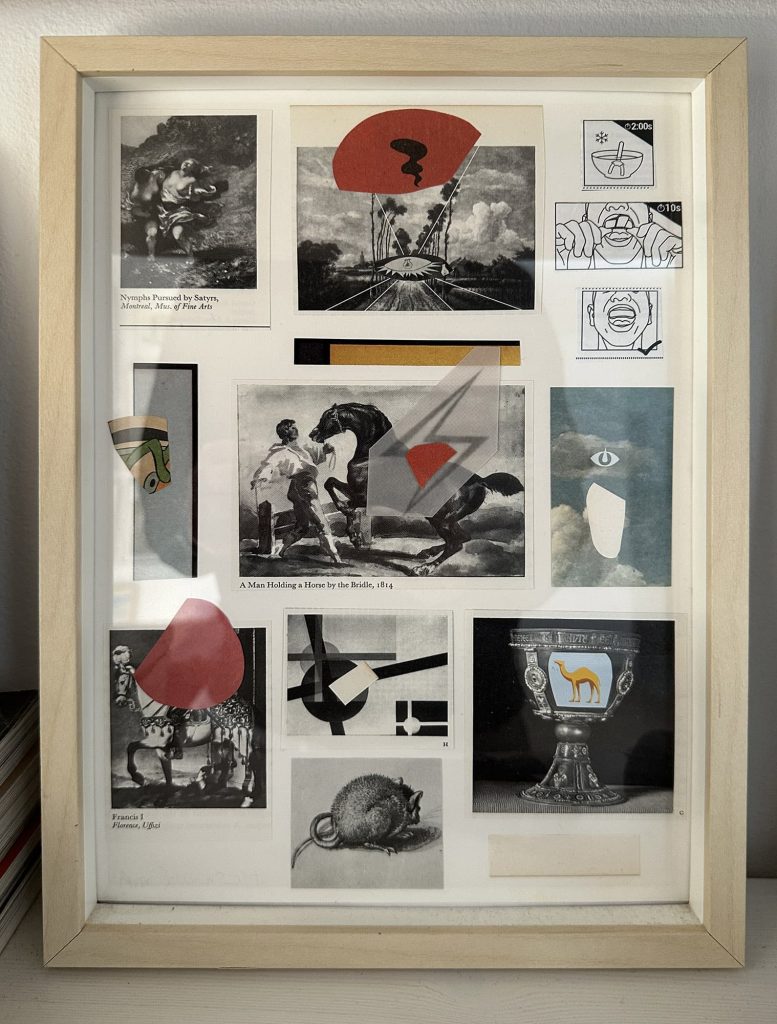
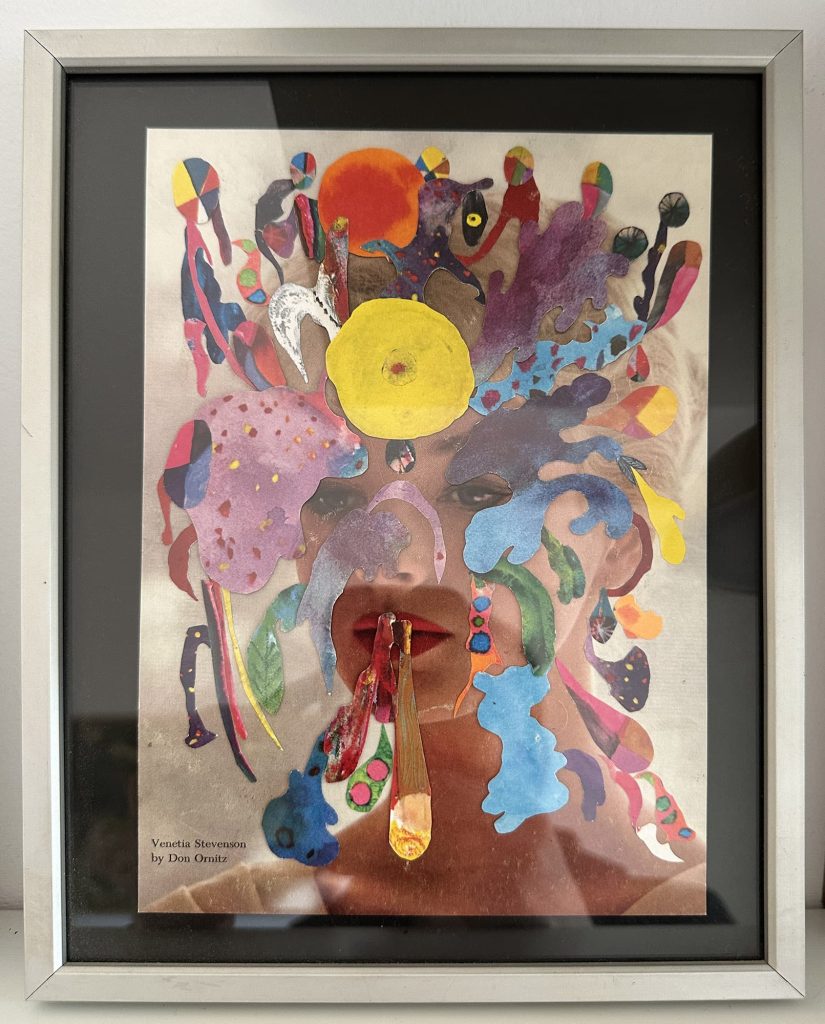
All through these years (from the sticker age to now) my idea of collecting changed along with me. The value shifted from the object itself to the moment and the people the objects represent. The collection lives at home now –part hanging on my walls, part stored in my tiny studio.
My collections work as a way of documenting aspects of my life and my relationship with my work and interests. In a way, my collection is a weird portrait of myself over time. The work, fun, obsessions, scars, plans and crises I’ve had are all part of what I own and, in some way, are part of who I am.
And the collection continues. I might never be able to afford a Raymond Pettibon or a Barry McGee piece, but that doesn’t stop me from dreaming. There’s also a giant collage that James Gallagher showed in the 2010 Cutters Berlin exhibition that I’d love to own –but I asked him about it and he said it got lost after the show. Some pieces will always remain dreams, and maybe that’s part of it too. The collection keeps growing slowly, intentionally. Each new piece still marks a moment, a conversation, an exchange. The kid who hoarded stickers would probably find this version of collecting strange –fewer objects, more meaning, everything given as much as received. But the obsession is still there, just pointed in a different direction.